
 By admin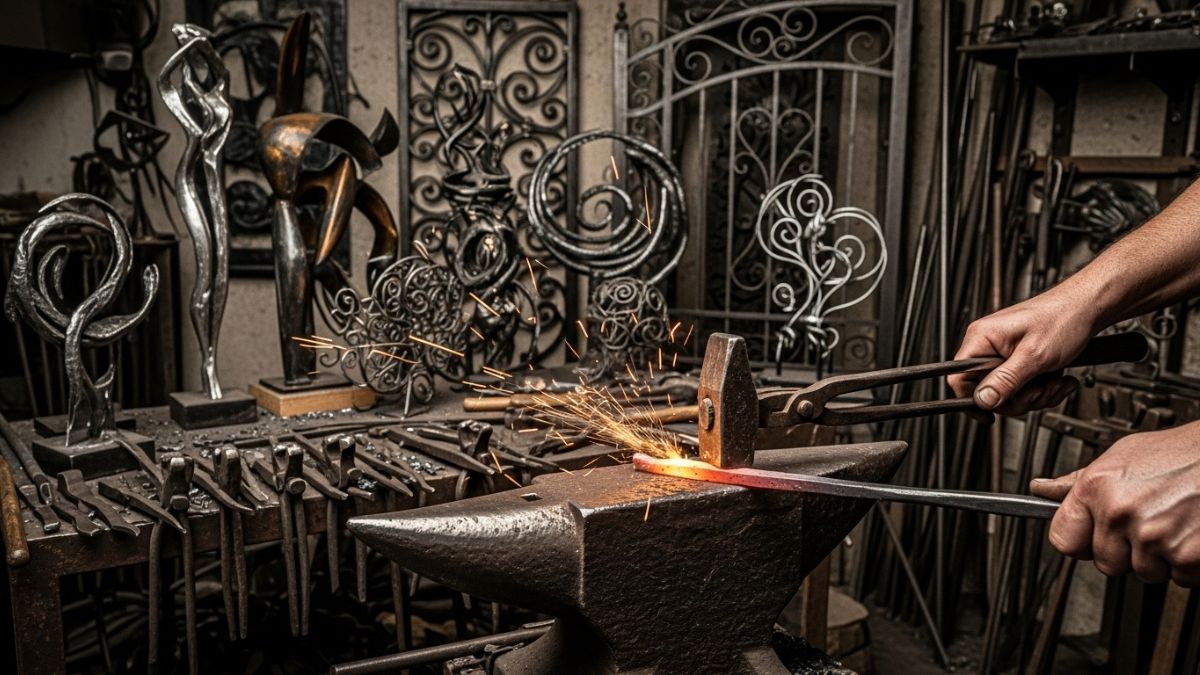
Kovových, the captivating world of metal artistry, offers a unique blend of creativity and craftsmanship that has been enchanting art lovers for centuries. Rooted in historical traditions yet blooming with modern innovations, this form of artistic expression transcends mere functionality. From intricate sculptures to stunning wall pieces, kovových showcases the versatility and beauty of metal as a medium.
But what exactly lies behind the creation of these remarkable works? How do artists transform cold steel into warm expressions of their inner visions? As we delve deeper into this fascinating realm, we will explore not only the origins and processes involved but also the techniques that breathe life into raw materials. Whether you are an avid collector or simply curious about this evolving art form, join us on a journey through the dynamic landscape of kovových. Discover how technology is reshaping its future while celebrating those who have made significant contributions along the way. Get ready to immerse yourself in a world where artistry meets innovation!
The Process of Creating Metal Art
Creating metal art is a fascinating journey that begins with inspiration. Artists often draw from nature, culture, or personal experiences to fuel their creativity.
Once an idea takes shape, the artist sketches designs. This blueprint serves as a guide during the crafting process. Precision is key here; measurements and proportions must align perfectly.
Next comes material selection. Common metals include steel, aluminum, and copper. Each has its unique qualities and aesthetic appeal. The right choice can enhance the final piece’s character.
The actual creation involves various techniques like welding, forging, or casting. These methods require skillful hands and keen attention to detail. Tools range from simple hammers to advanced machinery.
Finishing touches bring artwork to life—polishing for shine or patinas for color enhancement are common practices in this stage of artistry.
Different Styles and Techniques of kovových
Kovových encompasses a wide range of styles and techniques, each reflecting the artisan’s creativity. Traditional methods often involve forging, where heated metal is shaped through hammering. This ancient practice yields unique textures that tell stories.
Contemporary artists embrace welding to combine various scrap metals into stunning sculptures. These pieces may convey powerful messages or simply celebrate form and function.
Another intriguing technique is casting, which allows for intricate designs by pouring molten metal into molds. This method can produce both abstract forms and detailed figurative works.
Patination adds depth to kovových art as it transforms the surface with rich colors through chemical processes. Artists utilize this technique to enhance their creations further.
Mixed media approaches are gaining traction in kovových art, incorporating materials like wood or glass alongside metal for an innovative fusion of textures and ideas. Each style provides distinct avenues for expression within this vibrant medium.
The Role of Technology in Modern Metal Artistry
Technology has transformed kovových in remarkable ways. Artists now have access to advanced tools that enable intricate designs and precision crafting. Laser cutting, for instance, allows for detailed patterns that were once impossible to achieve by hand.
3D printing is another game-changer in metal artistry. It offers the ability to create complex shapes quickly and with less material waste. This innovation supports artists in pushing boundaries and exploring new forms of expression.
Digital design software also plays a crucial role. Artists can visualize their concepts before execution, saving time and resources. This blend of creativity and technology opens doors to experimentation, leading to unique masterpieces.
Social media platforms serve as showcases for artists’ work too. They can reach wider audiences instantly, creating vibrant communities around kovových art forms globally. Technology continues to reshape how these creators connect with fans while promoting their craft.
Famous kovových Artists and Their Masterpieces
The world of kovových is rich with talented artists who have shaped its landscape. One standout figure is David Smith, known for his large-scale sculptures that blend abstract forms with industrial materials. His work often evokes a sense of movement and fluidity.
Another notable artist is Ruth Asawa, whose intricate wire sculptures are both delicate and powerful. Asawa’s pieces invite viewers to engage from multiple perspectives, revealing new dimensions as they move around the artwork.
In contemporary times, Anthony Howe pushes boundaries with kinetic metal art that dances in the wind. His mesmerizing installations captivate audiences and create an interactive experience.
These artists showcase the diversity within kovových, proving it can be both functional and aesthetically pleasing. Each masterpiece tells a story through form and texture, reflecting personal visions while elevating metal art to new heights.
The Growing Popularity of Metal Art in Interior Design
Metal art is making waves in interior design, captivating homeowners and designers alike. Its unique texture and sheen add depth to any space.
With an increasing emphasis on sustainable materials, kovových fits perfectly into modern aesthetics. Reclaimed metals tell stories of history while contributing to eco-friendly decor.
From statement sculptures to intricate wall hangings, metal pieces serve as bold focal points or subtle accents. They effortlessly blend with various styles—from industrial chic to minimalist elegance.
Moreover, the versatility of kovových allows it to complement natural elements like wood and stone seamlessly. This combination creates a harmonious balance that is highly sought after today.
As more people seek individuality in their living spaces, metal artistry stands out as a striking choice that reflects personal taste and creativity. The trend shows no signs of slowing down anytime soon.
The Future of kovových: Trends and Innovations
The future of kovových is bright and full of possibilities. As artists continue to explore new techniques, the boundaries of metal artistry are being pushed further.
Sustainability is becoming a key focus. Many creators are now using recycled metals, making art that not only looks good but also respects the environment.
Digital tools play an essential role as well. 3D printing and laser cutting allow for intricate designs that were once impossible by hand. This technology fosters innovation in both form and function.
Collaboration between metal artists and other disciplines is on the rise too. Partnerships with designers from fields like architecture or fashion create unique pieces that merge different artistic visions.
Social media platforms provide exposure to emerging talents, helping them connect with a global audience hungry for fresh ideas in kovových artistry.
Conclusion
The journey through the world of kovových unveils a vibrant realm where creativity and craftsmanship converge. As we have seen, this art form has deep roots, tracing back to ancient civilizations that harnessed metal for both functionality and beauty.
Creating metal art is no small feat. It involves intricate processes that combine traditional techniques with modern approaches. Artists skillfully manipulate materials to produce stunning pieces that can range from delicate sculptures to bold installations.
Kovových offers various styles, each telling its own story. Whether it’s abstract designs or realistic representations, the versatility of metal allows artists to express their unique visions in profound ways.