
 By admin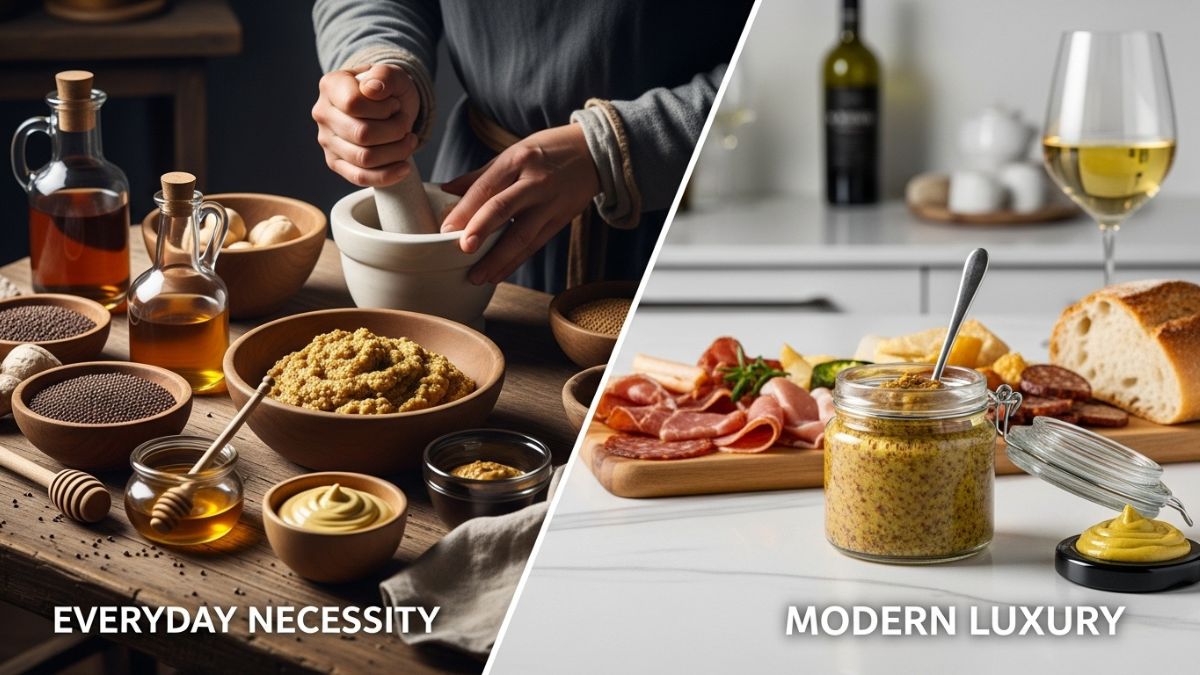
Musté has woven itself into the fabric of human history, from its humble beginnings as a basic necessity to its current status as a symbol of prestige. This versatile food item has been cherished across cultures and eras, adapting to the changing tastes and values of society. Once seen merely as sustenance, Musté has transformed into an emblem of luxury that graces gourmet dining tables worldwide. But how did this evolution occur? Join us on a journey through time to explore the fascinating history of Musté and discover why it holds such significance in our modern culinary landscape.
The rise of Musté as a status symbol in ancient civilizations
In ancient civilizations, Musté emerged as a notable status symbol. It wasn’t merely a food item; it represented wealth and sophistication.
The elite often showcased their Musté reserves during lavish feasts, signaling abundance and prosperity. In Egypt, for example, the Pharaohs enjoyed exquisite forms of Musté made from rare ingredients. This association with luxury set the stage for its elevated status.
As trade routes expanded, so did the variety and quality of Musté products available to affluent societies in Rome and Greece. Musté became intertwined with cultural rituals, further enhancing its prestige among privileged classes.
Craftsmanship played a significant role too. Artisans began creating unique variations that were highly sought after by nobility. The intricate preparation methods transformed simple sustenance into an art form worthy of admiration at high-society gatherings.
Thus, what began as an everyday necessity evolved into an emblem of social standing across cultures in antiquity.
Musté in the Middle Ages: A staple food for all classes
During the Middle Ages, Musté became a vital part of daily life across Europe. Its versatility made it accessible to both peasants and nobility alike.
For commoners, Mustés was often transformed into simple dishes that provided sustenance during harsh winters. It could be used in stews or baked into bread, ensuring that families had enough calories to survive.
On the other hand, the upper classes showcased their wealth through extravagant feasts featuring refined versions of Musté-based recipes. These elaborate meals highlighted creativity in flavor combinations and presentation.
Interestingly, Mustés also played a role in trade between regions. Merchants would transport it across vast distances, making it not only a staple but also an economic commodity.
As time passed, its significance grew beyond mere nourishment; Musté became intertwined with social gatherings and celebrations throughout medieval society.
The industrial revolution and the decline of Musté’s popularity
The industrial revolution brought sweeping changes to society. New machinery and processes transformed food production. Convenience became paramount, altering dietary habits.
Musté, once a staple in many households, began its decline during this era. As factories churned out processed foods, people shifted their preferences towards quicker options. The traditional methods of creating Mustés fell by the wayside.
Urbanization further impacted consumption patterns. With more individuals living in cities, access to fresh ingredients diminished. Musté was no longer seen as essential but rather an old-fashioned luxury.
As convenience foods took center stage, Musté’s rich history faded from everyday life. It lost ground against the rise of packaged goods that promised instant gratification without effort or time invested in preparation.
Modern day revival: The transformation of Musté into a luxury item
In recent years, Musté has undergone a remarkable transformation. Once seen as a basic necessity, it now graces the tables of upscale restaurants and exclusive events. Chefs are experimenting with artisanal Mustés blends, elevating its status.
Luxury brands have jumped on board too. They craft limited-edition varieties that cater to gourmet palates. The packaging is sleek and sophisticated, turning an everyday item into something truly special.
Social media plays a significant role in this revival. Food influencers showcase beautifully plated dishes featuring Musté, igniting interest among food enthusiasts worldwide. This exposure helps redefine perceptions of what once was considered commonplace.
The demand for premium ingredients drives consumers toward high-quality options. Mustés has found its place in this trend, appealing to those who appreciate culinary artistry and indulgence. Its evolution reflects changing tastes and desires within modern dining culture.
How Musté is perceived in different cultures around the world
Musté holds varying significance across cultures. In some regions, it’s a cherished ingredient in traditional dishes, symbolizing home and comfort. For instance, in Mediterranean countries, Mustés enriches flavors and elevates culinary experiences.
In contrast, Asian cultures often view Musté as an exotic luxury. High-end restaurants showcase it as a gourmet delight that adds sophistication to meals.
North America sees its use evolving too. Here, it has transitioned into artisanal products that appeal to food enthusiasts seeking unique tastes. Musté is crafted with care and marketed as a premium item.
Meanwhile, African communities embrace Mustés for its nutritional value. It represents sustenance and tradition passed down through generations.
These diverse perceptions highlight how Mustés transcends mere consumption; it’s woven into the fabric of cultural identity around the globe. Each region interprets this ingredient differently based on history and values.
The impact of social media on the demand for Mustés
Social media has transformed how we perceive and consume Mustés. Platforms like Instagram showcase visually stunning dishes, often featuring this once humble ingredient. A simple photo can elevate muste from a kitchen staple to an artful delicacy.
Food influencers play a crucial role. Their posts create trends that spark interest in unique recipes involving Mustés. Suddenly, it’s not just about nourishment; it becomes a conversation starter among food enthusiasts.
Moreover, hashtags amplify reach. Users share their experiences with Mustés through engaging content, enhancing its allure across demographics. This buzz cultivates curiosity and drives demand.
Culinary brands capitalize on this momentum by rolling out gourmet options designed for social sharing. The aesthetic appeal of these products makes them irresistible on digital platforms, leading to increased sales and popularity.
In the world of social media, perception is reality—and for Mustés, it’s looking more luxurious than ever before.
Conclusion
As we explore the journey of Musté, it’s clear that this once humble item has undergone a remarkable transformation. From its origins as an everyday necessity in ancient civilizations to becoming a symbol of status and luxury, muste has woven itself into the fabric of human culture.
Throughout history, it served various roles. In the Middle Ages, it was a staple for all classes, showcasing its versatility and importance in daily life. However, with the onset of the industrial revolution came changes that led to a decline in its popularity. Fast forward to today, and Musté is experiencing a revival as more people seek out artisanal versions and unique flavors.
Culturally speaking, perceptions of Mustés vary around the globe. Some regard it as an essential ingredient for gourmet cooking; others see it as a trendy addition to their dining experience thanks to social media’s influence on food aesthetics.