
 By admin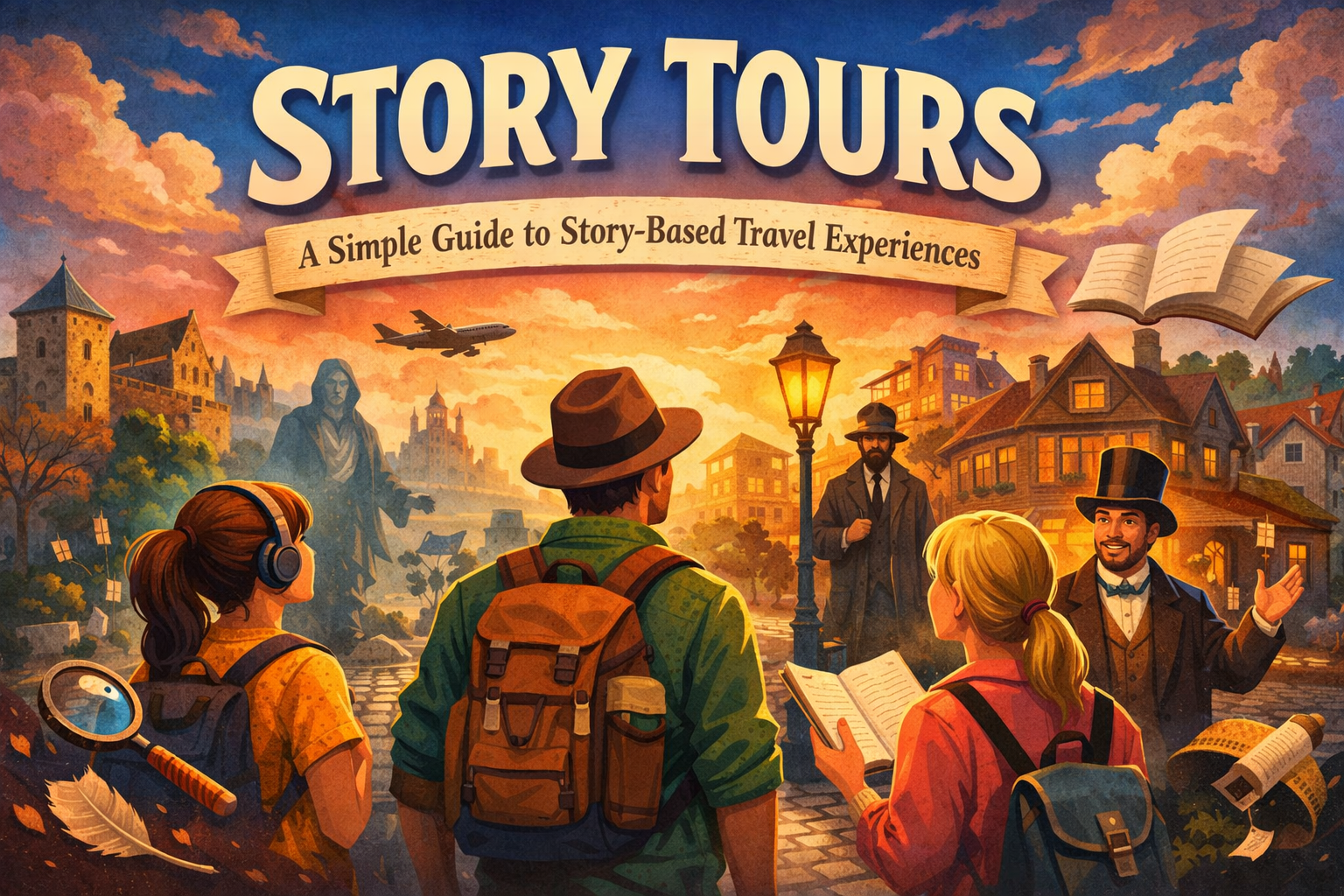
Travel today is not only about seeing famous places. Many people now want to feel connected to the places they visit. They want to know the people, the culture, and the stories behind the streets and buildings. This is why story tours are becoming popular, a story tour is a type of tour where stories are the main part of the experience. Instead of only listening to facts and dates, travelers hear real stories about people, history, culture, or even fictional stories connected to real places. These stories make the tour more interesting and more memorable Hotels Travel Tweaks
This article explains what story tours are, why they are important, the types of story tours, how they work, and how they can be created. It also includes simple tables, lists, and a helpful FAQ section.
What Are Story Tours?
A story tour is a tour where the guide or audio tells stories about the places you visit. These stories help people understand the meaning of a place, not just what it looks like.
Key Features of Story Tours
-
Focus on stories, not only facts
-
Use real places as part of the story
-
Create emotional connection
-
Easy to remember
-
Can be guided or self-guided
Main Parts of a Story Tour
| Part | Simple Explanation |
|---|---|
| Location | Real streets, buildings, or areas |
| Story | A clear story with a start and an end |
| Guide or Audio | A person or an app tells the story |
| Interaction | Questions, small tasks, or thinking moments |
| Memory | A feeling or lesson people take home |
Why Story Tours Are Popular
People now want experiences, not just photos. Story tours help travelers feel closer to the places they visit.
Reasons Why People Like Story Tours
-
People remember stories more than facts
-
Stories create emotions
-
Tours feel personal and meaningful
-
Easy to share on social media
-
Good for solo travelers and groups
Story Tours vs. Normal Tours
| Point | Normal Tours | Story Tours |
|---|---|---|
| Main Focus | Facts and dates | Stories and people |
| Feeling | Informative | Emotional and engaging |
| Role of visitor | Listener | Active participant |
| Memory | Short-term | Long-lasting |
| Experience | Basic | Deep and meaningful |
Types of Story Tours
Story tours can be different based on how they are delivered and what theme they follow.
A. Types by Format
-
Guided walking tours
-
Self-guided audio tours (using mobile apps)
-
Theatre-style tours with actors
-
Full-day or multi-day story trips
-
Digital or AR-based tours
Comparison of Story Tour Formats
| Format | What It Means | Best For |
|---|---|---|
| Guided Walking Tour | A guide walks and tells stories | Groups, first-time visitors |
| Audio Tour | Stories played on phone | Solo travelers |
| Theatre Tour | Actors perform stories | Entertainment lovers |
| Multi-Day Tour | Story continues for days | Deep travel experiences |
| AR Tour | Digital content on phone | Tech-friendly travelers |
Types by Theme
Common story tour themes include:
-
History and heritage
-
Local culture and traditions
-
Old legends and folk stories
-
Crime and mystery
-
Books, movies, and famous writers
-
Community and people’s life stories
How a Good Story Tour Is Designed
A good story tour is planned carefully. It is not random. The story should flow smoothly from one place to another.
Important Elements of a Good Story Tour
-
Clear Story Flow
-
Beginning: Set the scene
-
Middle: Build interest
-
End: Give a strong finish
-
-
Meaningful Stops
-
Each stop should add something to the story
-
-
Simple Language
-
Easy to understand
-
No heavy or complex words
-
-
Small Interactions
-
Short questions
-
Small tasks
-
Time to think
-
-
Strong Ending
-
Leave visitors with a clear message or feeling
-
User Journey in a Story Tour
A story tour experience has three main stages.
Stages of the User Journey
| Stage | What Happens |
|---|---|
| Before | User finds the tour and books |
| During | User joins the tour and listens to stories |
| After | User remembers the experience and shares |
What Users Expect
Before the Tour
-
Clear tour description
-
Story theme
-
Time and location
-
Easy booking
During the Tour
-
Simple instructions
-
Smooth storytelling
-
Comfortable pace
After the Tour
-
Good ending
-
Feeling of completion
-
Option to book another tour
Business Models for Story Tours
Story tours can earn money in many ways.
Common Ways to Earn Money
-
One-time ticket per tour
-
Discount for multiple tours
-
Monthly or yearly passes
-
School and group packages
-
Company team tours
-
Premium special tours
Business Model Table
| Model | How It Works | Suitable For |
|---|---|---|
| Single Ticket | Pay for one tour | Tourists |
| Bundle | Pay for many tours | Repeat visitors |
| Pass | Monthly or yearly access | Local users |
| School Package | Group price | Schools |
| Corporate Tour | Team activity | Companies |
| Premium Tour | High price, special | Luxury travelers |
What Makes a Story Tour Special
A story tour can stand out if it offers something unique.
Ways to Make a Story Tour Different
-
Real local stories
-
Friendly and skilled guides
-
High-quality audio
-
Clear theme
-
Focus on people, not only places
-
Respect for local culture
How to Create a Simple Story Tour
You can follow these steps to create your own story tour.
Step-by-Step Guide
-
Choose a place
-
Pick a clear theme
-
Find real stories
-
Plan a walking route
-
Write simple story scripts
-
Test the tour with real people
-
Improve based on feedback
Example of a Simple Story Tour Plan
| Item | Example |
|---|---|
| Tour Name | Hidden Stories of the Old Town |
| Theme | Daily life in the past |
| Duration | 90 minutes |
| Stops | 5 locations |
| Format | Guided walking tour |
| Audience | Tourists and students |
Example Route
-
Old Gate – Start of the story
-
Market Street – Life of traders
-
Old House – Family stories
-
River Bridge – Important event
-
Hill View – Final message
Future of Story Tours
Story tours will continue to grow because people want meaningful travel.
Future Trends
-
More mobile-based story tours
-
More local community stories
-
Better audio and digital tools
-
Personalized tour paths
-
Educational story tours
Frequently Asked Questions
Q1: What is a story tour in simple words?
A story tour is a tour where stories are the main way to explain a place. Instead of only facts, you hear stories about people, history, and culture.
Q2: How is a story tour different from a normal tour?
A normal tour focuses on information. A story tour focuses on feelings and stories. It helps people connect with the place.
Q3: Can story tours be self-guided?
Yes. Many story tours use mobile apps. You can walk on your own and listen to stories on your phone.
Q4: Are story tours good for students?
Yes. Story tours are very helpful for students because stories make learning easy and interesting.
Q5: Do story tours work in small towns?
Yes. Every place has stories. Even small towns have history, people, and culture that can be shared through story tours.
Q6: How long is a typical story tour?
Most story tours last between 60 and 120 minutes. Some special tours can last a full day.
Q7: Do I need special tools to start a story tour business?
You can start small with a guide and printed materials. Later, you can add audio, apps, or digital tools.
Q8: Are story tours expensive to create?
They can be low cost at the start. The main work is research and writing good stories.
Conclusion
Story tours are a powerful way to make travel more meaningful. They help people understand places through stories, emotions, and real human experiences. With simple planning, clear stories, and respect for local culture, story tours can create strong memories for travelers and good opportunities for tour businesses.