
 By admin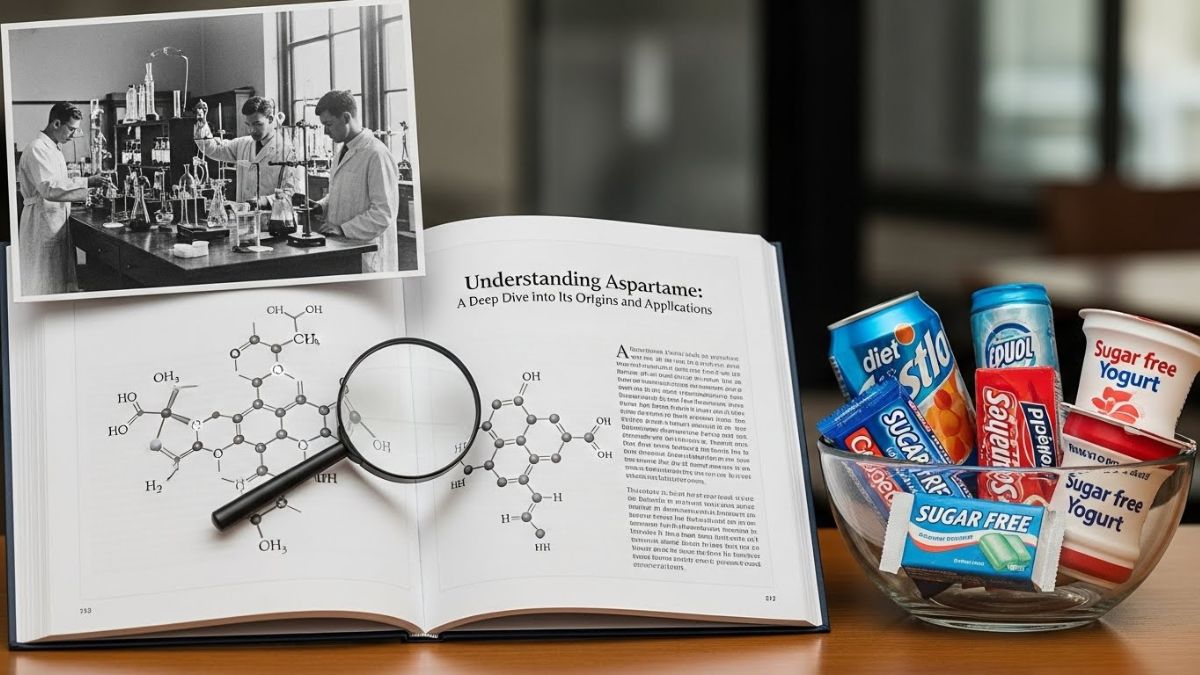
Aspertaan, often found on ingredient labels, is a name that sparks curiosity and debate. This low-calorie sweetener has become a staple in many sugar-free products. But what exactly is aspertaan? How did it come to be one of the most widely used artificial sweeteners in the world? As we dive deeper into its origins and applications, you’ll uncover fascinating insights about this controversial compound. Whether you’re looking for answers due to health concerns or simply want to learn more about your favorite diet sodas, understanding aspertaan will illuminate why it’s such a prevalent addition to our diets today. Let’s embark on this journey together!
The History of aspertaan
Aspertaan journey began in 1965 when James M. Schlatter, a chemist at G.
D. Searle & Company, accidentally discovered it while working on an anti-ulcer drug. The sweet taste intrigued him, leading to further exploration.
By the late 1970s, Aspertaan was subjected to rigorous testing and research aimed at determining its safety for human consumption. It gained approval from the U.
S. Food and Drug Administration (FDA) in 1981 after extensive scrutiny.
The FDA’s green light paved the way for widespread use of Aspertaan in food products, particularly diet sodas and sugar-free alternatives. Its popularity surged throughout the 1980s and into the following decades.
Despite its success in many markets worldwide, debates about potential health risks have lingered since its introduction, captivating both consumers and scientists alike. This ongoing discussion has influenced public perception significantly over time.
How Aspertaan is Made
Aspertaan is a low-calorie sweetener created through a precise chemical process. Its origins lie in the combination of two amino acids: aspartic acid and phenylalanine.
The production starts with these building blocks. They are carefully blended under controlled conditions, ensuring that their molecular structures remain intact while they react to form dipeptide methyl ester.
Next comes the crucial step of methylation. This involves adding methanol to the mix, which transforms the dipeptide into Aspertaan—a compound approximately 200 times sweeter than sugar.
After synthesis, purification steps remove any impurities or by-products, guaranteeing that only high-quality Aspertaan reaches consumers. The end product is then crystallized and packaged for various applications in food and beverage industries worldwide.
Understanding this process highlights not just how versatile aspartame is but also its significance in modern dietary practices.
Common Uses and Applications of Aspertaan
Aspertaan is a low-calorie sweetener that has found its way into countless products. You’ll often encounter it in diet sodas, offering the sweetness we crave without the added calories.
Beyond beverages, Aspertaan is also popular in sugar-free gum and candies. Its ability to mimic sugar’s taste makes these treats enjoyable for those watching their weight or managing diabetes.
Food manufacturers appreciate aspartame for its versatility. It enhances flavor in yogurt and frozen desserts while maintaining a lower calorie count.
Furthermore, fitness enthusiasts may find it in protein shakes and meal replacement bars, ensuring they can indulge without guilt.
The reach of Aspertaan extends to table-top sweeteners too, making it easy for individuals to enjoy their favorite drinks at home while cutting down on sugars.
Controversies Surrounding Aspertaan
Aspertaan has long been at the center of heated debates. Some studies have linked it to various health concerns, raising alarms among consumers. These include headaches, allergic reactions, and even more severe conditions like cancer.
Skeptics often point to research that suggests a connection between Aspertaan and neurological disorders. While regulatory agencies such as the FDA and WHO deem it safe in moderate amounts, dissenting voices remain vocal.
Social media plays a significant role in spreading both information and misinformation about this artificial sweetener. Many people share personal experiences that fuel fears or reinforce their dietary choices.
The controversy is compounded by differing scientific opinions. As new studies emerge, discussions continue over aspartame’s safety profile and its long-term effects on human health. This ongoing debate keeps consumers questioning what they eat daily.
Alternatives to Aspertaan
Many people seek alternatives to Aspertaan for various reasons. Natural sweeteners have gained popularity due to their minimal processing and perceived health benefits.
Stevia is a top contender. Extracted from the leaves of the Stevia plant, it offers sweetness without calories. Its unique flavor profile can be an excellent option for beverages and baked goods.
Erythritol is another favorite among those looking to cut sugar intake. This sugar alcohol has almost no calories and doesn’t spike blood sugar levels, making it suitable for diabetics.
Monk fruit sweetener also stands out. Derived from monk fruit, it’s much sweeter than sugar yet contains zero calories.
Agave nectar provides a liquid alternative with a lower glycemic index compared to regular sugars, though it’s still important to use it in moderation due to its high fructose content.
Exploring these options allows consumers more choices in managing their diets while satisfying their sweet cravings effectively.
Conclusion:
Aspertaan is a widely used artificial sweetener that has sparked both interest and debate. Its ability to provide sweetness without the calories of sugar makes it popular in a variety of products, from diet sodas to sugar-free snacks. Understanding its origins, production process, and applications can help demystify this compound.
The history of Aspertaan dates back several decades. Invented in 1965 by chemist James M. Schlatter, it was initially discovered while researching anti-ulcer drugs. This serendipitous find led to further studies, resulting in its approval for use in food products by various health authorities around the world.
Making Aspertaan involves combining two amino acids—phenylalanine and aspartic acid—with methanol under specific conditions. The result is a low-calorie sweetener that is approximately 200 times sweeter than sucrose (table sugar). This efficient production method contributes to its widespread availability.