
 By admin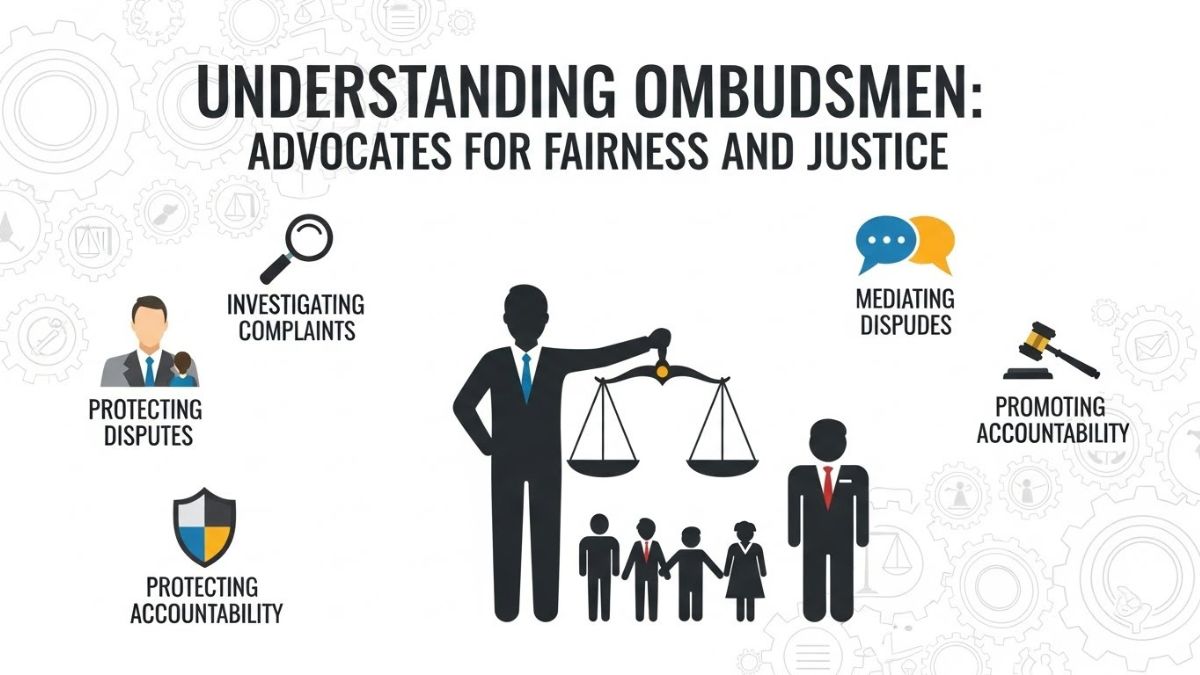
Navigating the complexities of modern life often means facing challenges that seem insurmountable. Whether it’s a dispute at work, issues with services, or concerns about fairness in various sectors, finding an avenue for resolution can be daunting. This is where the concept of ombudsmanship comes into play. ombudsmänner are advocates dedicated to ensuring fairness and justice across diverse fields. They serve as neutral parties who help individuals voice their concerns and seek equitable solutions. Understanding how these professionals operate can empower you to address your grievances effectively and confidently. Let’s dive deeper into the world of ombudsmanship and explore how they champion your rights!
The Role of an ombudsmänner
The ombudsmänner serves as a vital link between individuals and organizations. Their primary role is to address complaints and concerns, ensuring that everyone’s voice is heard.
They operate independently, which allows them to be impartial in their evaluations. This neutrality fosters trust, encouraging people to come forward with grievances they might otherwise hesitate to share.
Ombudsmen investigate issues thoroughly. They gather information from all parties involved before making recommendations or decisions. This careful approach ensures fairness in the resolution process.
In addition to resolving disputes, an ombudsmänner often identifies systemic issues within an organization. By highlighting recurring problems, they help institutions improve their practices for the future.
The presence of an ombudsmänner contributes significantly to transparency and accountability in any given environment. Their work not only rehabilitates relationships but also promotes a culture of justice and respect.
Areas of Expertise for Ombudsmen
Ombudsmen operate in diverse fields, bringing specialized knowledge to their roles. They often focus on areas such as education, healthcare, and corporate sectors.
In educational institutions, ombudsmen address student grievances. They help resolve issues related to academic policies and campus life. Their goal is to ensure a fair learning environment.
Healthcare ombudsmen advocate for patients’ rights. They navigate complex medical systems and assist individuals in understanding their options. This support can enhance the patient experience significantly.
Corporate ombudsmen play a crucial role in workplace dynamics. They handle employee complaints regarding discrimination or unethical practices while promoting transparency within organizations.
Additionally, some ombudsmänner offices specialize in government-related concerns. These professionals strive to ensure accountability and accessibility among public services.
Such expertise allows them to mediate effectively between parties while promoting fairness across various contexts.
Examples of Organizations That Have Ombudsmen
Many organizations recognize the value of having an ombudsmänner. They serve as impartial mediators, ensuring fairness in various situations.
Universities often employ ombudspersons to handle student grievances and faculty disputes. Institutions like Harvard and Stanford have established offices dedicated to this purpose.
In the corporate world, companies such as Boeing and Starbucks advocate for employee concerns through their own ombudsmen. This creates a safe space for staff to voice issues without fear of retaliation.
Government agencies also utilize ombudsmen. The United States has federal and state-level positions that focus on citizen complaints regarding public services.
Nonprofit organizations frequently engage an ombudsmänner to navigate conflicts between stakeholders or clients, enhancing trust within their communities.
These examples highlight the versatility of the role in promoting transparency and equity across diverse sectors.
Benefits of Having an ombudsmänner
Having an ombudsmänner can significantly enhance organizational transparency. They provide a neutral space for individuals to voice their concerns without fear of retaliation.
Another key benefit is the promotion of fairness. Ombudsmen help ensure that all parties are treated equitably, fostering trust within the organization.
They also play a crucial role in conflict resolution. By facilitating dialogue and understanding, they often help resolve disputes before they escalate into larger issues.
Furthermore, an ombudsmänner presence can improve overall satisfaction. Employees feel valued when there’s someone dedicated to addressing their grievances.
Organizations with ombudsmänner often see enhanced compliance with regulations and policies. This proactive approach minimizes risks and helps maintain ethical standards throughout the institution.
How to Utilize the Services of an ombudsmänner
Utilizing the services of an ombudsmänner is straightforward. First, identify your issue clearly. Knowing what you want to address helps streamline the process.
Next, gather relevant documents and evidence related to your complaint. This may include emails, reports, or any correspondence that supports your case.
Reach out to the ombudsmänner office directly. Most organizations provide contact information on their websites. Be prepared to explain your situation succinctly.
Once connected, listen carefully to their guidance. Ombudsmen often have specific procedures for handling cases and can direct you accordingly.
Keep communication open throughout the process. If new information arises or if you have follow-up questions, don’t hesitate to reach out again.
Be patient as they work through your concerns. The resolution may take time but having a dedicated advocate makes a significant difference in achieving fairness and justice.
Conclusion:
Understanding ombudsmänner is essential for promoting fairness and justice in various sectors. Ombudsmen play a pivotal role as neutral advocates, ensuring that individuals have a channel to voice their concerns. Their expertise spans across diverse fields such as education, healthcare, corporate environments, and governmental organizations.
Having an ombudsmänner can significantly benefit both individuals and the institutions they serve. These professionals help resolve conflicts amicably while fostering trust within communities. Organizations that prioritize having an ombudsman often see improved communication and enhanced satisfaction among stakeholders.
Utilizing the services of an ombudsmänner is straightforward. Individuals seeking assistance should reach out directly to these representatives through designated channels provided by their organization or institution.