
 By admin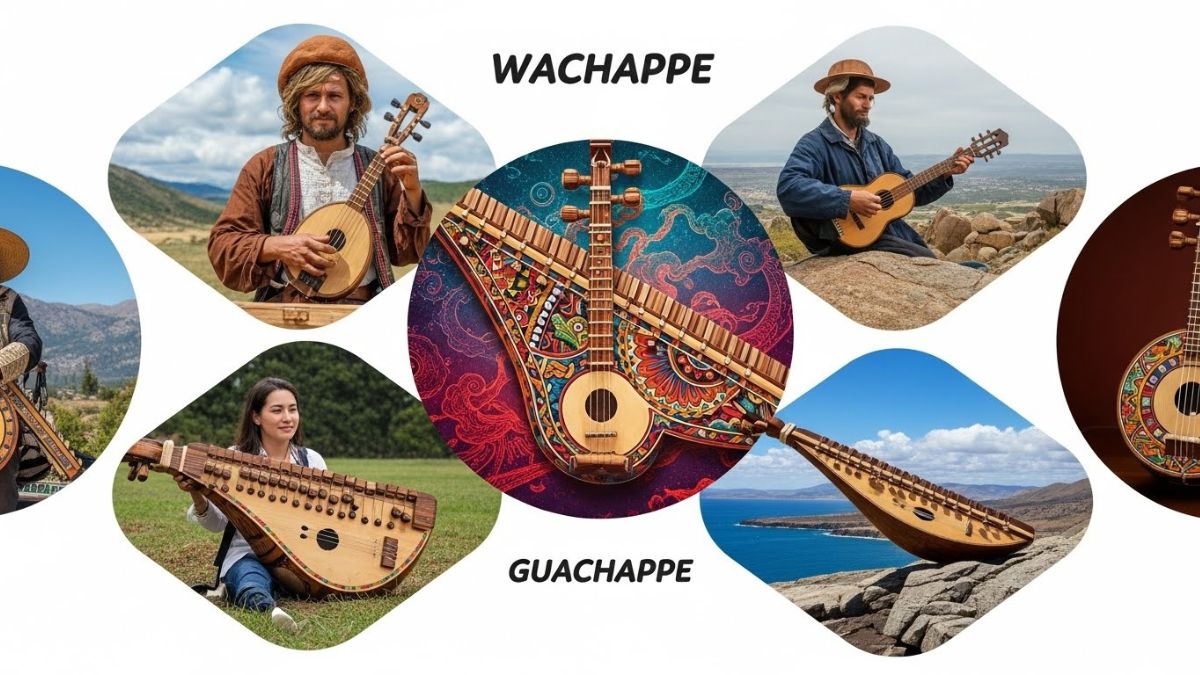
Wachappe is a term that carries rich cultural weight across the globe. Its origins are steeped in tradition, connecting people through shared practices and beliefs. As we embark on this journey to explore wachappe, we’ll uncover its significance in different cultures and how it has evolved over time. From ancient rituals to modern adaptations, wachappe reflects the essence of community and identity. Join us as we dive into the vibrant world of wachappe, where art, fashion, and traditions intertwine in unexpected ways.
The role of wachappe in different cultures and societies
Wachappe plays a vital role in various cultures, serving as more than just an object; it embodies history and identity.
In Indigenous communities across the Americas, wachappe symbolizes connection to ancestral lands. Its use often reflects deep spiritual beliefs and practices that honor nature.
In African traditions, wachappe is woven into rituals of celebration and mourning. It acts as a medium for storytelling, carrying tales from one generation to another.
Asian societies view wachappe differently but with equal reverence. Here, it may signify social status or familial ties during important ceremonies.
Each culture infuses its unique meaning into wachappe, highlighting diverse perspectives on existence and community bonds. The nuances are profound yet interconnected across regions.
Traditional uses and practices of wachappe
Wachappe has deep roots in various cultural practices. Traditionally, it serves as a symbol of identity and belonging within communities. In many Indigenous cultures, wachappe is often featured in ceremonies, marking important life events or seasonal changes.
Crafting wachappe involves intricate techniques passed down through generations. Artisans dedicate countless hours to perfecting their skills, ensuring each piece reflects the community’s heritage. These creations are not just aesthetic; they carry stories and significance.
In some societies, wachappe plays a role in healing rituals. It’s believed that wearing or using specific forms can enhance spiritual well-being and connection to ancestors.
Additionally, wachappe finds its way into storytelling traditions. Elders may recount tales while holding or showcasing this art form, weaving together history and culture for younger generations to absorb and cherish.
Modern interpretations and adaptations of wachappe
In recent years, wachappe has seen a surge in modern interpretations. Artists and designers are infusing traditional elements with contemporary flair. This blend creates unique pieces that resonate with younger generations.
Fashion designers often incorporate wachappe motifs into their collections. Streetwear brands, in particular, embrace its bold colors and patterns. The fusion of tradition and modernity makes these garments appealing to diverse audiences.
Wachappe has also made its way into the digital space. Graphic designers use its imagery for everything from social media posts to merchandise. This adaptation breathes new life into age-old symbols.
Musicians are not left out either; they draw inspiration from wachappe themes in their lyrics and visuals. Collaborations between artists can amplify the cultural significance while inviting new interpretations.
Through these adaptations, wachappe remains vibrant, evolving beyond its origins while still honoring them deeply.
Controversies surrounding the cultural appropriation of wachappe
Cultural appropriation often sparks heated debates, and wachappe is no exception. Many communities view the commercialization of their traditional practices as a form of exploitation. When elements like clothing or rituals are taken out of context, it risks erasing their original meaning.
Critics argue that non-indigenous representations can dilute cultural heritage. This becomes particularly evident when fashion brands adopt wachappe motifs without acknowledging their significance. Such actions can feel disrespectful to those who have preserved these traditions for generations.
Moreover, social media amplifies this conversation. Viral trends may popularize aspects of wachappe while ignoring the deeper stories behind them. Those from marginalized backgrounds frequently voice concerns about being sidelined in their own narratives.
The line between appreciation and appropriation remains blurry, making it essential for everyone involved to engage respectfully with cultures beyond their own.
Wachappe’s global impact on art, fashion, and entertainment industries
Wachappe has made waves across various creative industries, transcending borders and cultures. Artists draw inspiration from its vibrant patterns and deep meanings. These elements often appear in modern artworks, infusing traditional motifs with contemporary flair.
In fashion, designers have embraced wachappe as a potent symbol of heritage and identity. Collections featuring wachappe designs celebrate diversity while captivating global audiences. The fusion of these intricate styles into clothing showcases how tradition can inspire innovation.
The entertainment industry is not left behind either. Films and music videos frequently incorporate wachappe’s visual aesthetics to evoke cultural narratives. This blend enriches storytelling, allowing audiences to connect with diverse backgrounds on a deeper level.
Through collaborations between artists, designers, and entertainers worldwide, wachappe continues to flourish as an influential force shaping the future of creative expression. Its resonance speaks volumes about the power of culture in uniting people through shared experiences.
Preserving and respecting the cultural significance of wachappe
Preserving the cultural significance of wachappe requires a commitment to understanding its roots. It’s not just an artifact; it’s a living expression of identity and heritage.
Education plays a vital role in this preservation. Workshops, storytelling, and community events can bridge generational gaps. Sharing knowledge about wachappe fosters appreciation for its history.
Respecting traditional methods is crucial too. Supporting artisans who practice these techniques ensures that the craft remains vibrant. This acknowledgment helps keep the spirit of wachappe alive.
Cultural exchange should be approached thoughtfully. When engaging with elements outside their origin, it’s essential to honor their context and meaning. Open dialogues within communities pave the way for mutual respect.
Navigating modern interpretations must come with care as well. Innovation shouldn’t overshadow tradition but rather celebrate it in new ways while maintaining authenticity at heart.
Conclusion:
Wachappe serves as a fascinating lens through which we can explore the rich tapestry of cultural significance across various societies. Its origins, deeply rooted in tradition, tell stories of identity and heritage. Across different cultures, wachappe has taken on unique roles that reflect local customs, beliefs, and artistic expressions.
From traditional practices to modern adaptations, wachappe continues to evolve while maintaining its core essence. As it finds its way into contemporary art and fashion scenes, it raises important questions about authenticity and respect for cultural significance. The nuances surrounding cultural appropriation remind us of the responsibility we have when engaging with traditions outside our own.
As awareness grows regarding these issues, many creators are working to honor the roots of wachappe while contributing their interpretations. This effort highlights a collective acknowledgment that cultural elements should be cherished rather than exploited.