
 By admin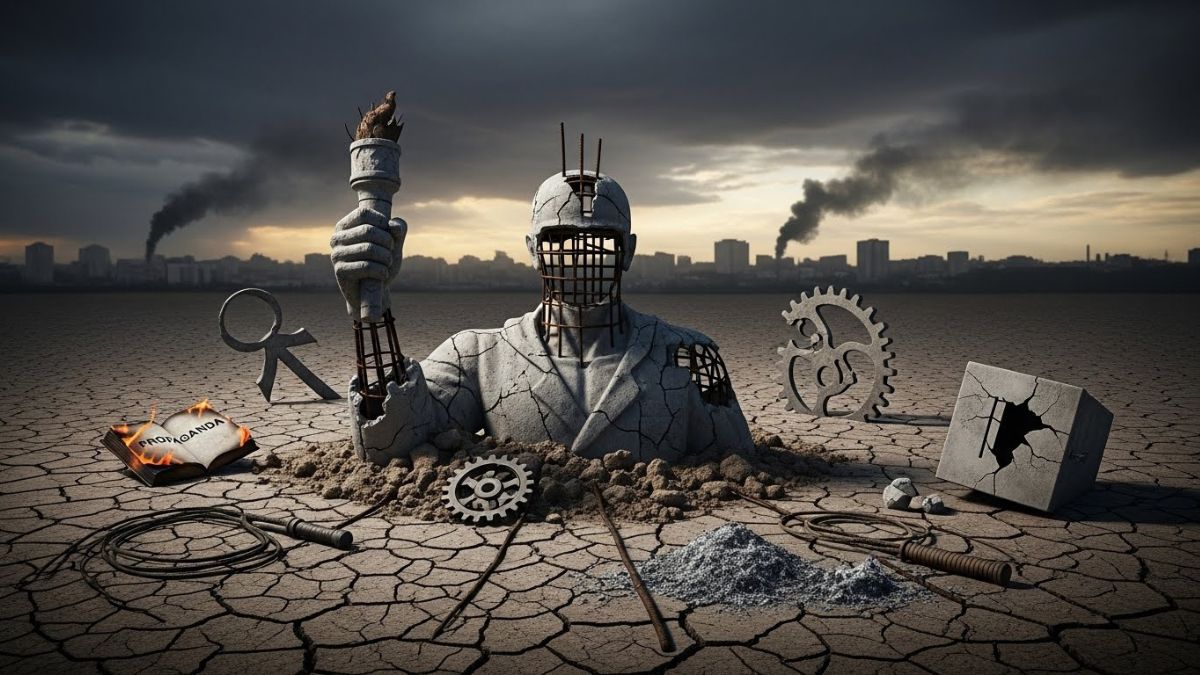
Fascisterne is a term that often stirs up strong emotions and intense debates. For many, it evokes images of oppression, authoritarianism, and societal division. But what does this ideology truly entail? To understand its complexities and implications, we must delve deeper into the roots of fascisterne, explore its defining characteristics, and examine its impact on modern society. From historical contexts to contemporary manifestations, the influence of fascisterne remains pervasive in various forms today. Join us as we unpack these layers to gain a clearer perspective on how fascist ideologies shape our world—and what can be done to combat their rise.
What is Fascisterne?
Fascisterne refers to a far-right political ideology characterized by authoritarian nationalism. It often seeks to create a centralized government that emphasizes the supremacy of the state over individual rights and freedoms. In this framework, loyalty to the nation is paramount.
Central elements include an emphasis on strong leadership, typically embodied in one charismatic figure. This leader often claims to represent the will of the people while suppressing dissent and opposition.
Additionally, fascisterne tends to vilify perceived enemies—be it certain ethnic groups or ideological opponents—fueling division within society. Propaganda plays a crucial role in promoting its ideas, spreading narratives that emphasize unity through exclusion.
At its core, fascisterne rejects democratic principles in favor of control and order. The ultimate goal is not just governance but an overhaul of society itself according to its rigid beliefs. Understanding these foundations lays the groundwork for recognizing its impact today.
The Origins and History of Fascisterne
Fascisterne emerged in the early 20th century, rooted in a reaction to political instability and economic turmoil. Post-World War I Europe was a breeding ground for radical ideologies. Nationalism surged as people sought identity and purpose.
The movement drew inspiration from earlier authoritarian regimes. It capitalized on widespread discontent with democracy’s perceived failures. As nations grappled with socialism and communism, fascism offered an alluring alternative—strong leadership, unity, and national revival.
Italy saw the first significant manifestation under Mussolini in the 1920s. The ideology spread through Europe like wildfire during the tumultuous interwar years. Germany followed suit with Hitler’s regime, showcasing how quickly fascist ideas could gain traction amid chaos.
This historical backdrop laid fertile ground for future expressions of fascisterne across various cultures and contexts, influencing societies far beyond their original borders.
Key Characteristics and Beliefs of Fascisterne
Fascisterne is defined by a core set of beliefs that shape its ideology. At the forefront is an extreme nationalism, emphasizing loyalty to the state above all else. This often translates into a disdain for political dissent and diverse viewpoints.
Central to fascisterne is the idea of a strong leader who embodies national strength. Charismatic figures are idolized, creating a cult of personality that can rally masses behind authoritarian rule.
Another characteristic lies in anti-communism and opposition to liberal values. Fascisterne seeks to eradicate what it views as threats from other ideologies, often scapegoating minorities or foreign entities.
Militarism plays a significant role as well. The glorification of military power reinforces societal unity while promoting aggressive expansionist policies.
There’s an element of social Darwinism at play, where only those deemed “fit” belong within the nation’s framework, leading to exclusionary practices against marginalized groups.
The Impact of Fascisterne on Society
Fascisterne has left an indelible mark on societies throughout history. Its rise often correlates with political instability and social unrest, creating a fertile ground for its ideologies to flourish.
Communities under the influence of fascisterne experience heightened divisions. Marginalized groups frequently face persecution, fostering an environment of fear and mistrust. This can lead to violence and discrimination, deeply affecting social cohesion.
Economically, fascist regimes may prioritize state-controlled initiatives over individual enterprise. While this can generate short-term growth, it stifles innovation and creativity in the long run.
Culturally, fascisterne seeks to reshape identity by promoting homogeneous values. This suppression of diversity erodes rich traditions while cultivating a narrow worldview among citizens.
Education systems also bear the brunt; curricula are altered to align with fascist beliefs. Critical thinking is often discouraged in favor of indoctrination, impacting generations’ understanding of history and their role in society.
Examples of Fascisterne in Modern Times
In recent years, manifestations of fascisterne have surfaced across various parts of the globe. Nationalist movements have gained traction, often fueled by economic instability and social unrest. These groups typically promote xenophobia and strict immigration policies.
Europe has seen a rise in far-right parties that echo fascisterne principles. They advocate for traditional values while opposing multiculturalism. This rhetoric resonates with those feeling disenfranchised by rapid societal changes.
In the United States, certain political factions display elements reminiscent of fascisterne ideology. The use of populist language attracts followers who feel threatened by globalization or demographic shifts.
Social media platforms amplify these sentiments, allowing extremist views to spread rapidly. Online forums can become breeding grounds for radicalization, showcasing how technology plays a role in modern fasciste ideologies.
These examples reflect how historical patterns can reemerge under different circumstances but still bear striking similarities to past regimes.
Combating Fascist Ideology
Combating fascist ideology requires a multifaceted approach. Education plays a vital role in this fight. By teaching critical thinking and historical context, we empower individuals to recognize the warning signs of fascism.
Community engagement is equally important. Grassroots movements can foster inclusivity and promote democratic values. By building strong networks, we create resilience against divisive ideologies.
Media literacy cannot be overlooked. Encouraging skepticism towards propaganda helps people discern credible information from harmful rhetoric. This skill is essential in an age where misinformation spreads rapidly.
Solidarity among diverse groups strengthens our collective voice against hate-driven narratives. When communities unite for justice and equality, they challenge the foundations on which fascist ideologies thrive.
Every small action counts; whether it’s through discussions or activism, each effort contributes to dismantling these toxic beliefs and safeguarding democracy’s core values.
Conclusion:
Fascisterne represents a complex and often troubling ideology that has significantly shaped societies throughout history. Its roots can be traced back to various political movements, each contributing unique perspectives on nationalism, authority, and identity.
Understanding the key characteristics of fascisterne helps in recognizing its impact. The emphasis on strong leadership, anti-communism, and militaristic sentiments often leads to societal division. This ideology fosters an environment where dissent is silenced, making it crucial for communities to remain vigilant against such tendencies.
In modern times, we see remnants of fascisterne manifesting in several forms around the globe. These examples serve as reminders of how easily extremist ideologies can resurface when society becomes complacent or divided.