
 By admin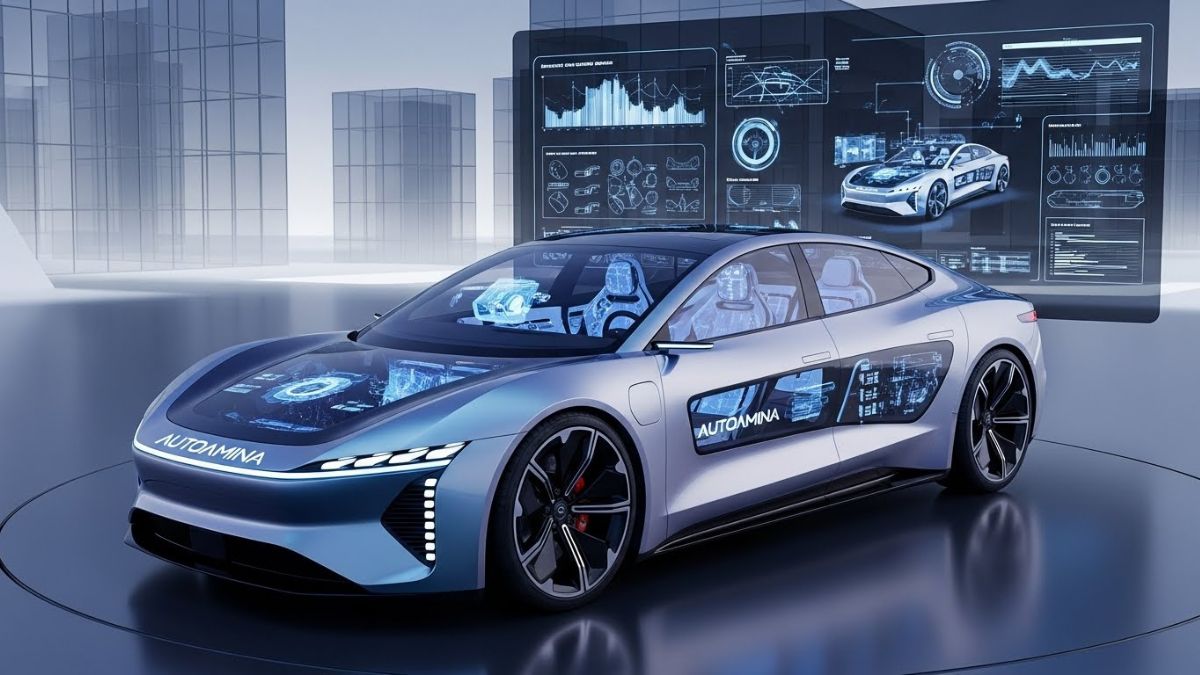
The automotive industry is on the brink of transformation, and at the heart of this revolution lies autoamina. This innovative technology promises to reshape how we think about vehicles, from their design to their functionality. As we dive into this exciting world, we’ll explore what autoamina truly means and uncover its potential impact on our lives.
Imagine a future where cars are not just machines but intelligent companions that enhance our driving experience while prioritizing sustainability. The evolution of automotive technology has been rapid, yet autoamina stands out as a game-changer. Buckle up as we embark on an exploration through history, current applications, and the promising horizon ahead for autoamina in the automotive landscape.
History and Evolution of Automotive Technology
The journey of automotive technology began in the late 19th century. Pioneers like Karl Benz created the first gasoline-powered car, setting the stage for an industry that would transform transportation.
As demand grew, innovations emerged rapidly. The introduction of assembly lines by Henry Ford revolutionized production, making cars accessible to the masses. This shift not only changed manufacturing but also altered societal landscapes.
With each decade came new advancements: electric vehicles, safety features like seat belts and airbags, and eventually computers managing engine performance. The rise of digital technology led to smart features such as navigation systems and infotainment interfaces.
Today, we find ourselves on the brink of a new era with concepts like autoamina poised to reshape our driving experience even further. These developments reflect humanity’s relentless quest for efficiency and sustainability in mobility solutions.
Common Misconceptions about Autoamina
Many people confuse autoamina with traditional automotive technology. They think it merely applies digital enhancements to existing vehicles. In reality, autoamina signifies a fundamental shift in how we understand and interact with automobiles.
Another misconception lies in the belief that autoamina is solely about electric or autonomous vehicles. While these are key components, the term encompasses a broader range of innovations—like smart materials and integrated AI systems—that revolutionize performance and safety.
Some argue that adopting autoamina will be prohibitively expensive. However, as research progresses, costs are likely to decrease significantly. The long-term benefits often outweigh initial investments.
There’s an assumption that the transition to autoamina will happen overnight. Progress takes time as industries adapt and regulations evolve alongside technological advancements. Patience is crucial for realizing its full potential.
Current Use of Autoamina in the Automotive Industry
Autoamina is making waves across the automotive industry. Manufacturers are increasingly integrating this advanced technology into their vehicles. From enhancing performance to improving safety, its applications are diverse.
One prominent use of autoamina is in smart vehicle systems. These systems leverage artificial intelligence for real-time data processing, enabling cars to adapt to road conditions seamlessly.
Another significant application lies in predictive maintenance. By analyzing patterns and predicting potential failures, autoamina helps reduce downtime and repair costs.
Additionally, electric vehicles benefit immensely from this technology. Autoamina optimizes battery management systems, ensuring efficient energy consumption and longer ranges.
The integration of autoamina with IoT devices allows for connected car experiences that enhance user convenience through seamless communication between various platforms and services. The automotive world is embracing these innovations like never before.
Future Predictions and Advancements in Autoamina
The future of autoamina is poised for groundbreaking advancements. As research continues, we can expect a surge in autonomous driving capabilities. Enhanced artificial intelligence will enable vehicles to communicate and learn from their surroundings more effectively.
Imagine cars that not only navigate but also predict potential obstacles based on real-time data analysis. This would significantly reduce accidents and improve road safety.
Battery technology is another area ripe for innovation within autoamina. With the rise of electric vehicles, advances in energy storage could lead to longer ranges and faster charging times, making sustainable transportation more accessible than ever before.
Moreover, integration with smart city infrastructure presents an exciting frontier. Vehicles will increasingly interact with traffic systems, optimizing routes dynamically to alleviate congestion.
As these technologies evolve, they promise to reshape our commuting experiences dramatically while prioritizing sustainability and efficiency across urban landscapes.
Potential Impact on Society and the Environment
Autoamina promises to revolutionize how we interact with our vehicles, leading to a more sustainable future. By integrating advanced technologies, it can significantly reduce emissions and energy consumption.
Imagine vehicles that learn from their environment. They optimize routes in real-time, reducing traffic congestion and pollution levels. This shift could enhance urban living by creating cleaner air and quieter streets.
Moreover, Autoamina opens doors for smarter transportation systems. Public transit could become more efficient by utilizing data analytics, encouraging people to opt for shared mobility solutions over personal cars.
The potential benefits extend beyond the immediate environment. As societies adopt cleaner technologies, they may witness economic growth in green industries. Innovation will lead to job creation while protecting natural resources for future generations.
Challenges and Limitations of Autoamina
Autoamina, while promising, faces several challenges that hinder its widespread adoption. One significant limitation is the high cost of implementation. Developing new technologies often requires substantial investment in research and infrastructure.
Another obstacle is regulatory hurdles. Governments around the world are still catching up with technological advancements. This can slow down innovation and complicate the integration of autoamina into existing systems.
Data security also poses a concern. The reliance on connected devices raises questions about privacy and cyber threats. Manufacturers must ensure robust protections to gain consumer trust.
Moreover, there’s a skills gap in the workforce. New technologies demand expertise that many current professionals may lack. Training programs need to evolve quickly to keep pace with these changes.
Environmental impacts can’t be overlooked either. While autoamina aims for sustainability, its production processes can still contribute to pollution if not managed carefully.
Conclusion
The rapidly evolving landscape of automotive technology is leading us to some exciting frontiers, and autoamina stands at the forefront of this revolution. As we navigate through its history, we see a clear trajectory from traditional vehicles to more sophisticated systems that integrate automation with advanced features.
Common misconceptions about autoamina often stem from confusion over terminology or a lack of understanding regarding its functionalities. However, as it becomes increasingly integrated into the industry, clarity is emerging. Today’s applications showcase how autoamina enhances efficiency and safety across various vehicle types.
Looking ahead, predictions indicate that advancements in autoamina will continue to reshape our driving experiences. With ongoing innovations such as electric vehicles and smart traffic management systems on the horizon, it promises not only improved performance but also sustainability benefits for society.