
 By admin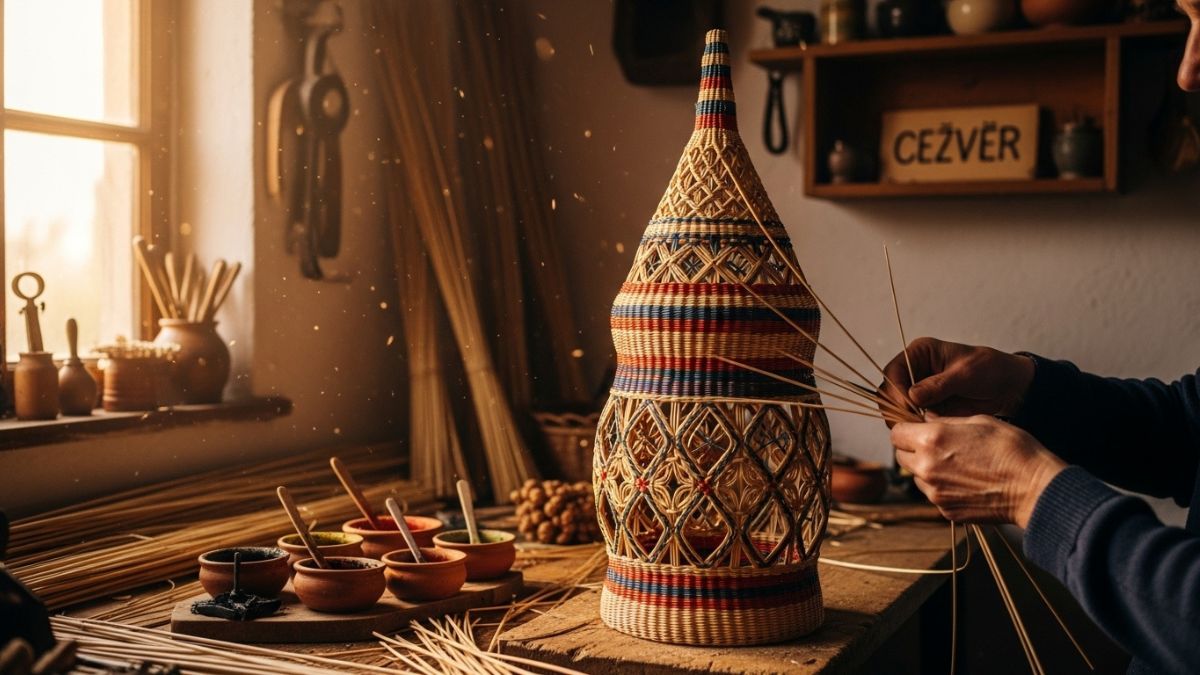
Ceıvır, a remarkable craft steeped in tradition, captivates those who encounter its beauty. This unique art form intertwines history with creativity, resulting in stunning pieces that tell stories of generations past. As we delve into the world of ceıvır, we’ll uncover not only its origins but also the intricate processes behind its creation. Whether you’re an artisan at heart or simply curious about this enchanting craft, prepare to be inspired by the artistry and dedication that define ceıvır.
The History and Origins of Ceıvır
Ceıvır traces its roots back to the vibrant cultural tapestry of Turkey, where it emerged as a unique craft. This ancient art form has deep connections with local traditions and heritage.
Historically, ceıvır was practiced by skilled artisans who passed down their knowledge through generations. It began as a practical means for creating functional items but evolved into an esteemed craft celebrated for its beauty.
Over time, various regions in Turkey developed their own styles and techniques, enhancing the diversity within ceıvır. Each artisan infused personal touches that reflected local customs, making every piece distinct.
As trade routes expanded, so did the appreciation for ceıvır beyond Turkish borders. The craftsmanship garnered attention from collectors and enthusiasts worldwide, solidifying its place in global artisanal culture.
The Process of Making Ceıvır
The process of making ceıvır is a meticulous craft that requires skill and precision. It begins with selecting the right materials, typically sourced from local resources. Artisans often choose natural fibers, ensuring authenticity in every piece.
Once the materials are gathered, artisans prepare them through washing and drying. This step enhances durability and flexibility. The next phase involves weaving; each artisan has their unique technique that reflects personal style.
Hands work deftly to create intricate patterns that tell stories or represent cultural heritage. Color application follows, using traditional dyes made from plants or minerals for an organic touch.
Pieces undergo finishing touches like trimming edges or adding embellishments. Each stage showcases not only craftsmanship but also a deep respect for tradition, resulting in items that are both functional and aesthetically pleasing.
Unique Features and Characteristics of Ceıvır Craftsmanship
Ceıvır craftsmanship stands out for its intricate designs and vibrant colors. Each piece tells a story, reflecting the artisan’s skill and cultural heritage.
The materials used in ceıvır are equally distinctive. Traditional artisans often source natural dyes from plants and minerals, ensuring that each creation is not only beautiful but also environmentally friendly.
Texture plays a significant role as well. The fabric has a unique feel due to the specific weaving techniques employed. This tactile quality enhances its appeal, making it desirable for various applications.
Additionally, ceıvır showcases elaborate patterns that vary by region. These motifs often carry symbolic meanings, connecting wearers to their ancestry and traditions.
Each handcrafted item is one-of-a-kind, emphasizing the personal touch of the artisan behind it. This individuality adds value and charm to every piece of ceıvır art created today.
Traditional Uses and Significance of Ceıvır
Ceıvır holds a special place in the hearts of many communities. This unique craft is not just about creating beautiful items; it serves functional purposes that resonate with cultural traditions.
Traditionally, ceıvır has been used to make a variety of objects, including decorative pieces, kitchen tools, and household items. Each piece tells a story woven into the fabric of local customs.
Beyond its practical applications, ceıvır symbolizes craftsmanship passed down through generations. Artisans often infuse their work with personal touches reflecting regional styles and family heritage.
Celebrations frequently feature ceıvır-crafted items. From weddings to festivals, these creations enhance communal bonds and signify shared values. Their presence enriches both daily life and significant events alike.
As societies evolve, ceıvır continues to be cherished for its significance in preserving cultural identity while adapting to contemporary needs.
Modern Innovations and Applications of Ceıvır
Modern innovations have breathed new life into the ancient craft of ceıvır. Artisans now blend traditional techniques with contemporary design aesthetics, resulting in stunning pieces that appeal to a broader audience.
One exciting application is in sustainable fashion. Designers are incorporating ceıvır patterns into clothing lines, creating unique textiles that tell stories of cultural heritage while promoting eco-friendly practices.
Technology plays a role as well. Digital tools help artisans prototype their designs more efficiently and reach global markets through online platforms. This has opened doors for collaborations across continents, merging various artistic perspectives.
Additionally, workshops and courses are emerging worldwide, allowing enthusiasts to learn the art of ceıvır hands-on. This not only preserves the tradition but also fosters a community passionate about craftsmanship and creativity.
Preserving the Art of Ceıvır: Challenges and Solutions
The art of ceıvır faces numerous challenges today. Modernization and mass production pose significant threats to traditional craftsmanship. Many artisans struggle to compete with cheaper, factory-made alternatives that lack the unique essence of handmade items.
Additionally, a dwindling number of skilled craftsmen are available to pass on their knowledge. Younger generations often pursue careers in more lucrative fields, leaving behind this intricate craft.
However, there are solutions emerging within communities dedicated to preserving ceıvır. Workshops and training programs for aspiring artisans create opportunities for hands-on learning. These initiatives foster a new appreciation for the tradition among youth.
Social media plays a vital role too. It allows craftsmen to showcase their work globally, attracting interest from niche markets. This visibility can drive demand and support local artisans financially while keeping the art alive.
Conclusion
Ceıvır represents more than just a craft; it embodies a rich cultural heritage that has been passed down through generations. This unique art form showcases the hands-on skills and creativity of artisans who dedicate their lives to mastering its intricacies. From its historical roots to modern adaptations, ceıvır continues to evolve while maintaining its significance within communities.
The challenges faced in preserving this traditional craft are real, yet they also present opportunities for innovation and awareness. By promoting ceıvır and encouraging new artisans to emerge, there is hope for keeping this extraordinary craftsmanship alive. As we recognize the value of such traditions, we create space for future generations to appreciate and contribute to the vibrant world of ceıvır.
This fascinating journey into the heart of ceıvır highlights not only an artistic endeavor but also a testament to human creativity and resilience. Embracing tradition while welcoming change will ensure that this unique craft continues to flourish in years ahead.