
 By admin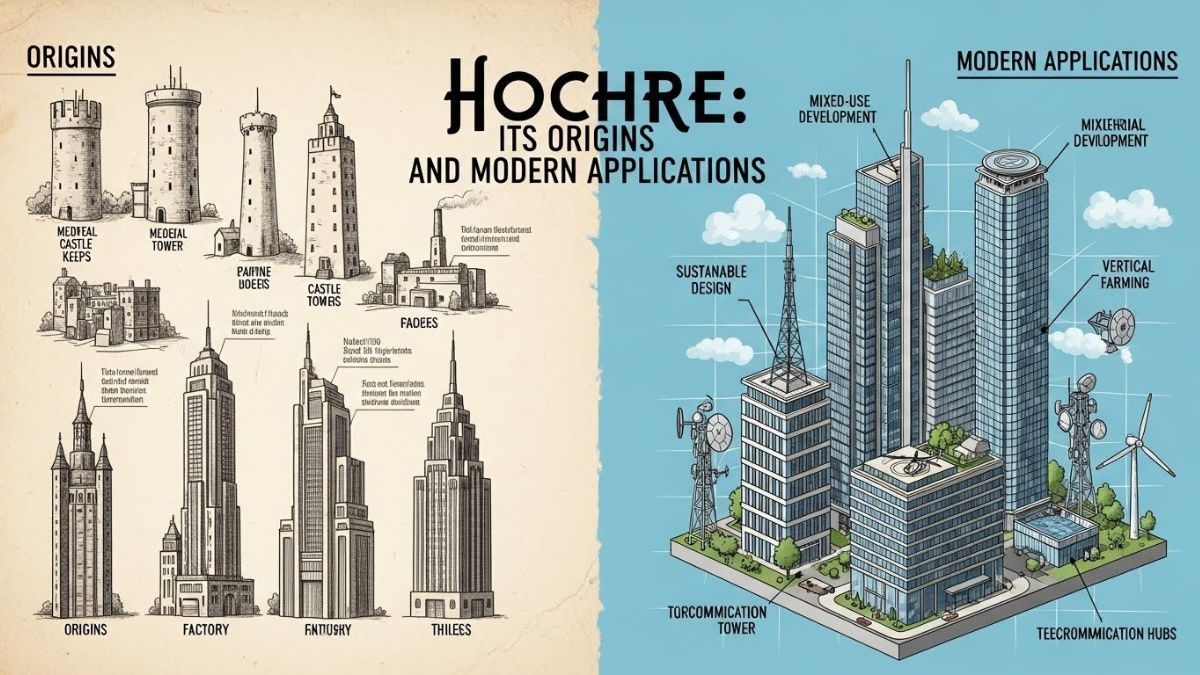
Hochre is a term that may not be familiar to everyone, but its intriguing nature and diverse applications are worth exploring. Imagine a practice that blends tradition with modernity, offering insights into both personal development and communal harmony. As we delve deeper into hochre, you’ll discover how it has evolved over time and why it’s gaining traction in today’s fast-paced world. From its rich history to its relevance in contemporary life, this exploration promises to unveil the many layers of hochres each as fascinating as the last. Ready to embark on this journey? Let’s dive in!
The history and origins of hochre
Hochre has deep roots that trace back centuries. Its origins can be found in ancient practices of mindfulness and self-awareness. Cultures across the globe embraced techniques resembling hochre, often using them to foster a sense of connection with oneself and the surrounding environment.
Historically, people employed these methods during rituals or community gatherings. They aimed to promote harmony and understanding among participants. Over time, hochre evolved as it absorbed influences from various traditions.
In modern times, its significance shifted towards personal development and mental well-being. The rise of wellness movements brought renewed interest in such practices. Today’s enthusiasts adapt hochre for contemporary lifestyles while still honoring its rich heritage. This blend of tradition and innovation continues to shape how individuals connect with their inner selves today.
Modern day uses and applications of hochre
Hochre has found its way into various facets of contemporary life. From wellness practices to artistic expression, its versatility is striking.
In the health and fitness space, hochre techniques are being integrated into mindfulness routines. People use it to enhance focus during meditation or yoga sessions.
The creative industries have also embraced hochre. Artists explore its principles in visual arts and design, creating innovative works that challenge conventional boundaries.
Moreover, educators recognize the value of hochre in teaching strategies. It fosters critical thinking and problem-solving skills among students by encouraging them to approach challenges from different angles.
Even businesses leverage hochre concepts for team-building exercises aimed at boosting collaboration and creativity within their teams.
These modern applications demonstrate how hochre transcends traditional uses, making a significant impact across diverse domains.
Comparing hochre to other similar practices
Hochre stands out among various holistic practices due to its unique blend of ancient wisdom and modern application. While meditation focuses on mental clarity, hochre integrates physical movement with mindfulness.
Unlike yoga, which emphasizes postures and breathwork, hochre encourages a fluid connection between body and spirit. This dynamic approach fosters an immediate sense of well-being without rigid structures.
When compared to practices like tai chi, which relies heavily on slow movements for balance, hochre adapts to individual needs. Its flexibility allows practitioners to engage at their own pace while still benefiting from collective energy in group settings.
Furthermore, unlike traditional therapy methods that may require lengthy sessions or specialized training, hochre offers accessibility and simplicity. Anyone can dive into it without feeling overwhelmed by complex techniques or theories.
The benefits and drawbacks of using hochre
Hochre offers a variety of benefits that appeal to many practitioners. One significant advantage is its ability to enhance mindfulness. By integrating hochre into daily routines, individuals often find themselves more present and engaged in their activities.
Another benefit is the potential for improved focus. Many users report heightened concentration levels when practicing hochre consistently, making it easier to tackle tasks effectively.
However, there are drawbacks to consider as well. Some may struggle with consistency due to busy lifestyles or distractions. This can hinder the full potential of what hochre has to offer.
Additionally, not everyone resonates with this practice immediately; it might take time for some individuals to experience noticeable results. This initial learning curve can be discouraging for newcomers looking for quick fixes in their lives.
How to incorporate hochre into your daily life
Incorporating hochre into your daily life can be both simple and rewarding. Start by setting aside a few minutes each day for reflection. This quiet time allows you to connect with your thoughts and emotions.
Consider using a journal to document your experiences with hochre. Writing down insights can deepen understanding and enhance personal growth.
Engage in mindfulness practices during routine activities like walking or eating. Focus on the sensations, sounds, and smells around you. This heightened awareness is a fundamental aspect of hochre.
Connect with others who share an interest in this practice through workshops or social media groups. Discussing ideas can provide new perspectives and enrich your journey.
Don’t hesitate to experiment. Find what resonates most with you—whether it’s meditation, art, or nature walks—and let that guide how you embrace hochre daily.
Conclusion:
As we delve deeper into the world of hochre, it becomes clear that this practice is more than just a trend. Its rich history and diverse applications showcase its significance across various fields. Understanding its origins provides insight into how hochre has evolved over time.
In today’s fast-paced environment, integrating hochre can offer unique benefits. From enhancing creativity to fostering mindfulness, many find value in incorporating these practices into their routines. Yet, like any approach, it comes with both advantages and challenges.
For those curious about implementing hochre in daily life, starting small is key. Experimenting with different techniques allows for personalization and growth within the practice.