
 By admin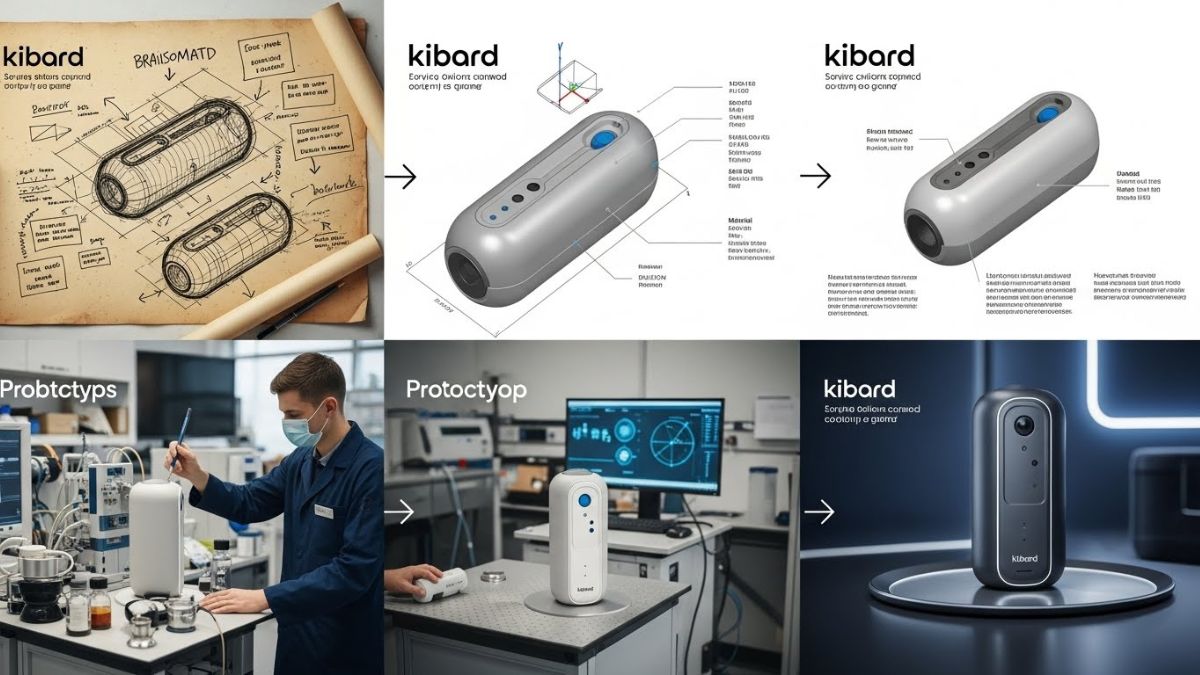
Kibard has emerged as a fascinating concept that blends creativity and innovation. At its core, kibard is more than just an idea; it’s a movement that reflects our evolving relationship with technology and design. As we delve into the journey of kibard, we’ll uncover how this intriguing notion began, its progression through various developmental stages, and the modern applications transforming industries today. With advancements in technology pushing boundaries further than ever before, the future of kibard holds exciting possibilities worth exploring. Join us as we embark on this exploration of kibard—from its humble beginnings to its innovative heights!
The Early Stages of Kibard Development
The early stages of kibard development were marked by experimentation and creativity. Innovators began to explore the concept, driven by a desire to push boundaries in technology.
Initial prototypes focused on functionality. Designers aimed to create something that would resonate with users while addressing specific needs. The collaborative efforts of engineers and artists laid a strong foundation for what was to come.
As research progressed, kibar’s versatility became evident. Developers started integrating various materials and techniques. This led to unique iterations that highlighted both aesthetic appeal and practicality.
Feedback from early users played a crucial role in shaping kibard’s evolution. Insights gathered during this phase set the stage for significant advancements, paving the way for future innovations in design and application.
Advancements in Technology and the Impact on Kibard
The journey of kibard has been significantly shaped by technological advancements. Innovations in materials science and engineering have opened new avenues for design and functionality.
Smart technology integration is a game changer. Sensors, AI, and IoT capabilities are now part of the kibard ecosystem. This leap allows for real-time data collection and analysis, enhancing user experience.
Moreover, 3D printing has revolutionized the manufacturing process of kibard products. Customization is more accessible than ever before, giving users unique options tailored to their needs.
Sustainability trends also play a crucial role. New eco-friendly materials are becoming integral to kibard development, aligning with global efforts for greener solutions.
These advancements not only elevate performance but also expand the potential applications of kibard across various industries—from healthcare to entertainment—paving the way for innovative uses we haven’t even imagined yet.
Current Applications of Kibard
Kibard has found its way into various sectors, showcasing its versatility and innovative spirit. In education, it enhances learning experiences by providing interactive platforms that engage students more effectively than traditional methods.
In the realm of design, Kibard tools assist architects and interior designers in visualizing concepts with stunning realism. This real-time feedback helps streamline the creative process.
Healthcare is another area where Kibard shines. It supports medical professionals by enabling precise simulations for training purposes. Surgeons can practice complex procedures in a risk-free environment.
Additionally, Kibard applications are making waves in marketing. Brands utilize these tools to create immersive campaigns that captivate audiences on multiple levels.
The entertainment industry also benefits from Kibard’s capabilities, crafting rich narratives through virtual reality experiences that blur the lines between fiction and reality. Each application reflects a commitment to pushing boundaries and reimagining possibilities in diverse fields.
Future Possibilities and Potential for Kibard
The future of kibard holds exciting potential across various sectors. As technology continues to advance, the possibilities for innovation become limitless. Imagine integrating kibard into smart homes or urban planning initiatives, enhancing efficiency and sustainability.
In healthcare, kibard could revolutionize patient monitoring systems. By harnessing real-time data analytics, medical professionals can make quicker decisions that improve outcomes.
Education is another promising area where kibard might flourish. Interactive learning environments powered by this concept could foster creativity and engagement among students.
Moreover, as industries shift towards automation and artificial intelligence, the demand for adaptable solutions like kibard will only grow. Its versatility may lead to unexpected applications we have yet to explore.
As we look ahead, collaboration between tech developers and researchers will be crucial in unlocking these new potentials while ensuring ethical considerations remain at the forefront of development.
Challenges and Criticisms of Kibard
Kibard, while innovative, faces several challenges and criticisms. One major concern is its accessibility. Many users find the technology difficult to understand or operate effectively. This creates barriers for adoption among potential enthusiasts.
Another criticism revolves around scalability. As demand grows, maintaining performance can become tricky. Developers must ensure that enhancements do not compromise user experience.
Privacy issues also raise eyebrows within the community. With advanced features often come concerns about data security and user consent. Striking a balance between innovation and privacy protection remains crucial.
Additionally, some skeptics argue that kibard lacks robust support systems for troubleshooting and guidance. Users want reliable resources readily available when encountering problems.
These challenges highlight the need for ongoing dialogue among developers, users, and industry experts to refine kibard’s offerings continually.
Conclusion:
Kibard has certainly come a long way since its inception. From the initial concept to the innovative applications we see today, this technology showcases human ingenuity at its finest. As we continue to explore and push the boundaries of what kibard can do, it’s clear that this is just the beginning.
The advancements in technology have paved new pathways for kibard’s development, allowing it to integrate into various industries seamlessly. With each innovation comes exciting possibilities that could reshape our daily lives and enhance productivity across sectors.
However, as with any emerging technology, challenges remain. Addressing criticisms and ethical considerations will be crucial as kibard continues to evolve. The dialogue surrounding these issues will play an important role in shaping its future trajectory.