
 By admin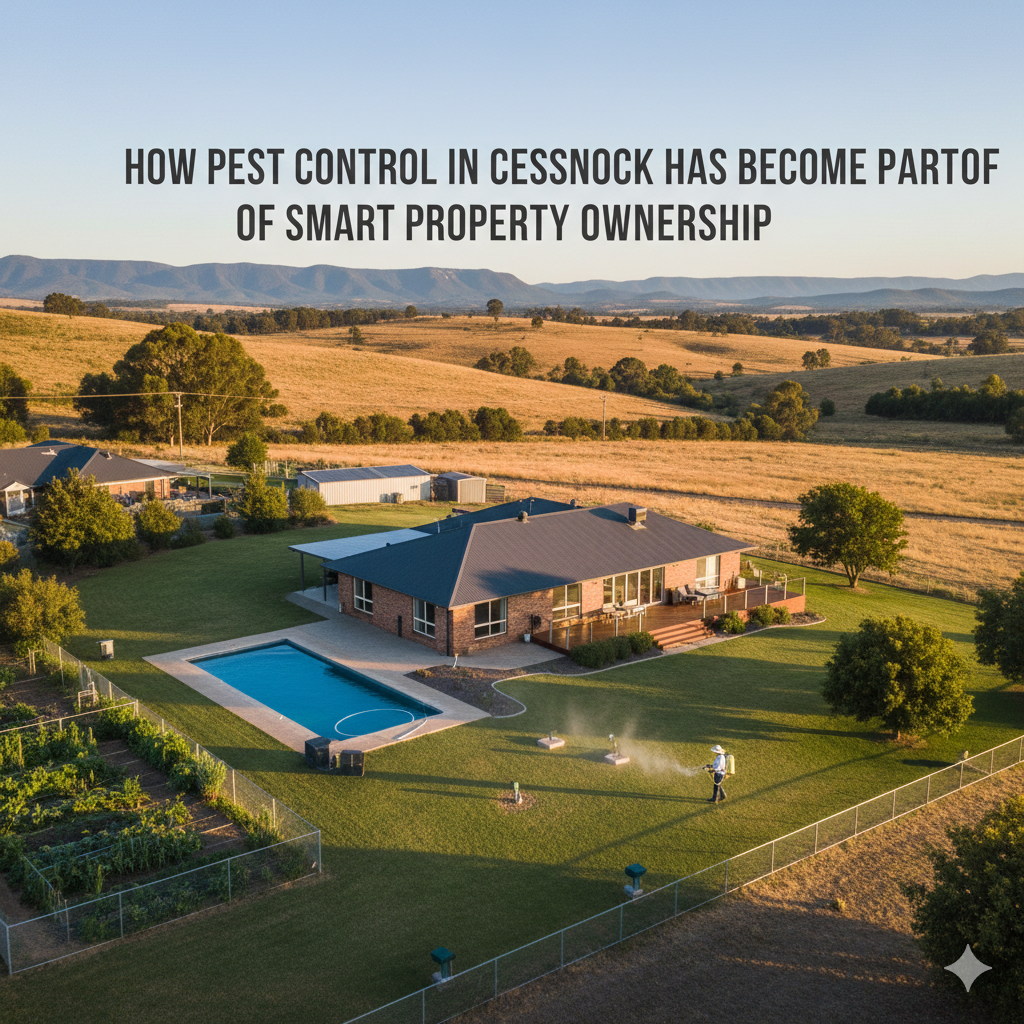
In Cessnock, property tends to carry more than just bricks and square metres. It carries history. Extensions added over time. Sheds built before permits were common. Renovations layered over renovations. Homes that have grown with families, not design trends. That kind of character is part of what makes the region appealing, but it also creates quiet complexity. Cavities. Voids. Subfloors. Roof spaces. Garden edges. All the small places where pests don’t announce themselves, they settle.
This is why Pest Control in Cessnock is increasingly viewed less as a reaction to something unpleasant and more as part of responsible ownership. Not an emergency call, but a maintenance strategy. Something that sits alongside building inspections, gutter checks, and structural assessments. Because by the time pests are obvious, they are rarely new.
Why Property Owners Are Thinking Differently
There has been a noticeable shift in how homeowners, landlords, and investors approach pest management. It’s no longer only about comfort. It’s about asset protection. Structural integrity. Insurance risk. Saleability. Long-term cost control.
More people are now building Pest Control in Cessnock into their property routines because they’ve seen what hidden activity can lead to. Termites compromising frames. Rodents chewing wiring. Moisture attracting insects that then attract more insects. A chain reaction that quietly devalues what was meant to be a long-term investment.
The change has been subtle, but steady. Pest control has moved closer to prevention than cure.
The Inspection Layer Most Properties Need
One of the challenges with pest issues is that they rarely sit where people look. They exist where people don’t. Behind walls. Under floors. Inside roof voids. Along soil lines. Around pipe entries. These are not spaces homeowners interact with daily.
Professional Pest Control in Cessnock inspections tend to focus heavily on these hidden environments. Not just to detect pests, but to understand conditions. Moisture presence. Timber contact. Ventilation. Entry points. Habitat potential.
This inspection layer often reveals risks before damage begins. And that timing is where real value sits. Because structural pests are far cheaper to manage when they are prospect, not presence.
What Early Intervention Actually Protects
Most people associate pest control with removing something. In property contexts, it is just as much about protecting something. Timber. Insulation. Electrical systems. Stored materials. Even air quality.
When Pest Control in Cessnock is handled early, it often prevents a cascade. Termites that are managed before spread don’t require structural repair. Rodents excluded early don’t become electrical hazards. Insects controlled before nesting don’t lead to secondary infestations.
This kind of prevention protects not only the building, but the timeline of ownership. Renovations don’t get delayed. Sales don’t get complicated. Insurance claims don’t become conversations.
Landlords, Tenants, and the Shared Responsibility Gap
Rental properties carry a unique pest challenge. Tenants live in them. Landlords own them. Issues can sit unreported. Or reported late. Or misunderstood. A few ants may seem trivial to one person and symptomatic to another.
Many property managers now build Pest Control in Cessnock programs into routine tenancy management. Entry inspections. Annual pest assessments. Preventive treatments. Clear documentation. This protects tenants’ living conditions while also protecting owners from long-term deterioration that can occur unseen.
When pest control becomes part of scheduled care rather than complaint response, the relationship between comfort and compliance shifts in a healthier direction.
Pre-Purchase Isn’t the Only Time That Matters
Pest inspections are commonly associated with buying property. But some of the most valuable assessments happen long after settlement.
Ongoing Pest Control in Cessnock services often support homeowners through renovations, landscaping changes, drainage adjustments, and structural additions. Each of these shifts environmental conditions. Each creates new entry points, moisture patterns, or timber exposure.
A home that was low-risk five years ago may not be low-risk today. Continuous evaluation allows pest management to evolve with the property rather than lag behind it.
How Structural Risk Builds Quietly
Unlike storms or fires, pest damage rarely arrives as a single event. It accumulates. Slowly. Often invisibly. A little timber here. A little insulation there. Wiring gnawed just enough to create heat risk. Subfloor moisture rising just enough to attract interest.
This is where regular Pest Control in Cessnock assessments often change outcomes. They interrupt accumulation. They stop slow problems from becoming large ones. They replace guesswork with data. Moisture readings. Activity indicators. Monitoring stations.
The goal is not to chase every insect. It’s to protect the systems a property relies on.
Pest Control as Part of Building Health
There is a growing tendency to talk about homes as living systems. Ventilation. Drainage. Temperature. Materials. Pests interact with all of these. They respond to imbalance.
Modern Pest Control in Cessnock services increasingly work alongside builders, plumbers, and maintenance professionals. Addressing leaks. Improving airflow. Sealing access points. Advising on landscaping. Because pest activity often signals a building health issue rather than an isolated nuisance.
When that underlying issue is corrected, pest pressure usually reduces naturally.
Why Local Conditions Matter to Property Risk
Cessnock properties experience specific environmental factors. Soil types that support termite movement. Agricultural proximity. Older housing stock. Outbuildings. Water tanks. Expansive gardens. All of these influence pest behaviour.
Localised Pest Control in Cessnock providers tend to understand these patterns. Where termites commonly travel. Which construction styles are more vulnerable. How seasonal rainfall affects activity. How rural-residential blends change rodent behaviour.
This context allows property strategies to be tailored rather than generic, which is particularly important when structural protection is the aim.
Long-Term Planning Beats Periodic Panic
Many property owners only engage pest services when something becomes uncomfortable. A nest. A noise. A visible trail. But discomfort is not a reliable indicator of risk.
Planned Pest Control in Cessnock programs shift the focus to consistency. Scheduled inspections. Preventive treatments. Monitoring systems. Documentation. Clear response pathways.
This approach rarely produces dramatic stories. It produces quiet properties. And quiet properties tend to be healthier ones.
When Property Value Is Considered Holistically
A well-maintained property is not only one that looks good. It is one that functions well beneath surfaces. Structural soundness. Electrical safety. Air quality. Moisture control. Pest management influences all of these.
Investors and homeowners who integrate Pest Control in Cessnock into broader maintenance planning often find their properties age more gracefully. Fewer surprise repairs. More predictable upkeep. Cleaner inspection reports. Smoother transactions when change eventually comes.
Because buildings that are protected tend to tell better stories when it matters.
A Final Perspective
Property ownership in regions like Cessnock is rarely static. Homes expand. Uses change. Gardens mature. Outbuildings appear. What was once simple becomes layered.
In that layering, pests find opportunity.
Thoughtful Pest Control in Cessnock from OzPest Solutions works quietly alongside that evolution, adapting strategies as properties change, protecting structures before issues surface, and supporting the long-term health of buildings people live in, rent out, renovate, and eventually pass on.
Because the best pest management stories are not the ones about what was removed.
They are the ones about what never had the chance to take hold.