
 By admin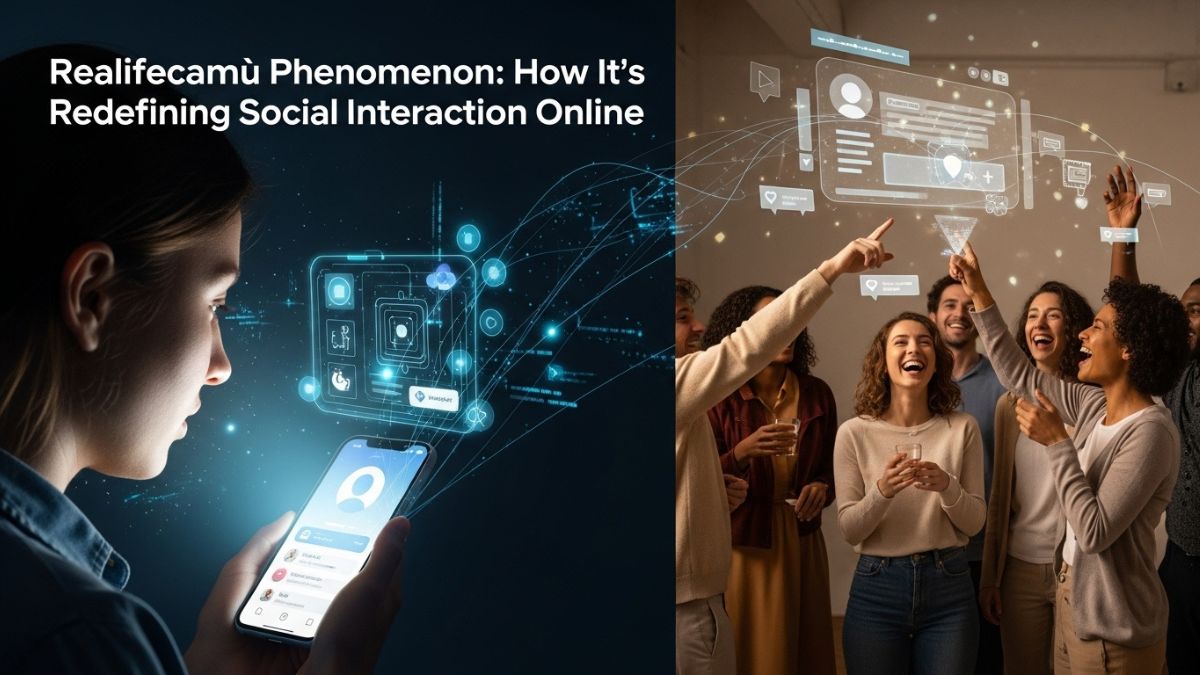
In a world where social interactions often happen behind screens, the Realifecamù phenomenon is shaking things up. This unique trend invites users into an immersive experience like no other. Imagine stepping into someone else’s life in real-time, witnessing their daily moments as if you were right there with them. It’s not just another form of entertainment; it’s a revolution in how we connect online.
As more people flock to platforms that offer this unfiltered glimpse into lives around the globe, we’re left wondering: what does this mean for our own relationships and social habits? The allure of authenticity draws us in, but it also raises questions about privacy, morality, and the true nature of human connection today. Buckle up as we delve deeper into the captivating world of Realifecamù and explore its impact on digital society.
What is Realifecamù and How Does It Work?
Realifecamù is an innovative platform that allows users to share their lives in real-time through live video streaming. It creates a unique space for social interaction, merging everyday experiences with digital connectivity.
Users can set up cameras in various locations—homes, cafes, or public spaces—and broadcast their activities to others worldwide. This direct access to someone’s life fosters an atmosphere of immediacy and transparency.
The technology behind Realifecamù relies on user-friendly interfaces and high-quality streaming capabilities. Viewers engage via chat features, creating a sense of community.
It’s more than just passive viewing; it invites participation and instant feedback from audiences. Emotions are shared instantly as viewers react to moments unfolding live before them.
The experience blurs the line between personal sharing and public performance, making every moment potentially significant in this new era of social engagement.
Brief History of Online Social Interaction
Online social interaction has evolved dramatically since the early days of the internet. Initially, it began with simple text-based platforms like bulletin board systems (BBS) and chat rooms in the 1980s and 1990s. These spaces allowed users to communicate anonymously, often forming close-knit communities.
As technology advanced, so did online interactions. The advent of instant messaging services transformed communication into real-time conversations. Platforms such as AOL Instant Messenger became household names.
The rise of social media in the mid-2000s marked a significant turning point. Sites like Facebook and Twitter introduced user profiles, timelines, and sharing features that encouraged more personal connections among users.
With smartphones taking center stage in the last decade, social interaction shifted again. Mobile apps brought spontaneous connectivity to our fingertips—redefining how we engage with friends and family across distances.
The Rise of Live Streaming Platforms
The last few years have seen an explosion in live streaming platforms. This shift has changed how we connect and interact online, creating a vibrant space for creativity and engagement.
With tools like Twitch, YouTube Live, and Facebook Live, everyday users can broadcast their lives to the world. This instant access fosters a sense of community among viewers who crave real-time connection.
Gamers, artists, educators—everyone is getting in on the action. They showcase talents or share knowledge while interacting directly with audiences through chat features.
This democratization of content allows anyone to become a creator. It blurs lines between influencers and ordinary people while offering diverse perspectives that were previously hard to find.
As audiences seek authentic experiences over polished productions, live streaming meets this demand perfectly. The thrill lies in spontaneity; each stream holds its own unique surprises waiting around every corner.
Pros and Cons of the Realifecamù Phenomenon
The Realifecamù phenomenon has quickly gained traction, offering an immersive experience like no other. One of its biggest advantages is the unparalleled real-time connection it fosters among users. People can share their lives instantly, creating a sense of community and belonging.
On the flip side, this constant exposure can lead to privacy concerns. Users might unknowingly share more than they intend, blurring the line between public and private life.
Additionally, while some find genuine friendships through these interactions, others may struggle with superficial connections that lack depth. The pressure to perform or present oneself in a certain way online could also be overwhelming for many participants.
Accessibility remains a double-edged sword; while it democratizes interaction for many around the globe, it potentially promotes addiction by making socializing feel like an endless scroll on your screen rather than meaningful engagement.
Impact on Traditional Social Interactions and Relationships
The rise of the realifecamù phenomenon is transforming how people connect. Traditional social interactions are taking a back seat as more individuals seek connection through screens.
Face-to-face conversations often give way to virtual ones. People might feel closer yet remain physically distant, leading to a paradox in relationships. The intimacy once found in shared experiences can sometimes be replaced by curated online moments.
As users immerse themselves in this new world, genuine connections may falter. Real emotions can get lost behind the lens of a camera, where validation comes from likes and comments instead of heartfelt conversations.
Yet, for some, realifecamù offers an escape from loneliness. It creates spaces for engagement that might not exist otherwise. Friendships formed through these platforms can flourish but also struggle under the weight of superficiality inherent in online interactions.
Navigating this landscape requires balance and awareness about what truly fosters meaningful human connection today.
Ethical Concerns Surrounding Realifecamù
The Realifecamù phenomenon raises significant ethical questions. With live streaming, privacy becomes a major concern. Participants often broadcast their lives without considering the implications.
Consent is another gray area. Viewers might assume they have permission to engage with whatever unfolds on screen, but what about the feelings of those involved? Lines can blur easily in an environment that thrives on immediacy and spontaneity.
Additionally, there’s the risk of exploitation. Some individuals may feel pressured to perform or share more than they’re comfortable with for views and likes. This pressure could lead to mental health issues over time.
There’s a fear of desensitization. As audiences consume real-life interactions as entertainment, genuine connections might suffer in favor of spectacle. What happens when authenticity turns into just another show? These dilemmas deserve careful consideration amidst this evolving digital landscape.
Conclusion
The Realifecamù phenomenon is reshaping how we interact online. It presents a unique blend of live streaming and social networking, pushing the boundaries of virtual communication. As people seek more authentic connections in an increasingly digital world, platforms like Realifecamù offer a fresh perspective.
While there are notable benefits to this interactive style—such as fostering community and enhancing engagement—it also brings certain challenges. The balance between privacy and social sharing becomes delicate. Traditional interactions may feel altered or even strained as real-time viewing changes our expectations.
Ethical considerations surrounding consent and data usage remain ever-present issues that need addressing. This evolving landscape will likely continue to spark conversation about what it means to connect authentically in today’s society.