
 By admin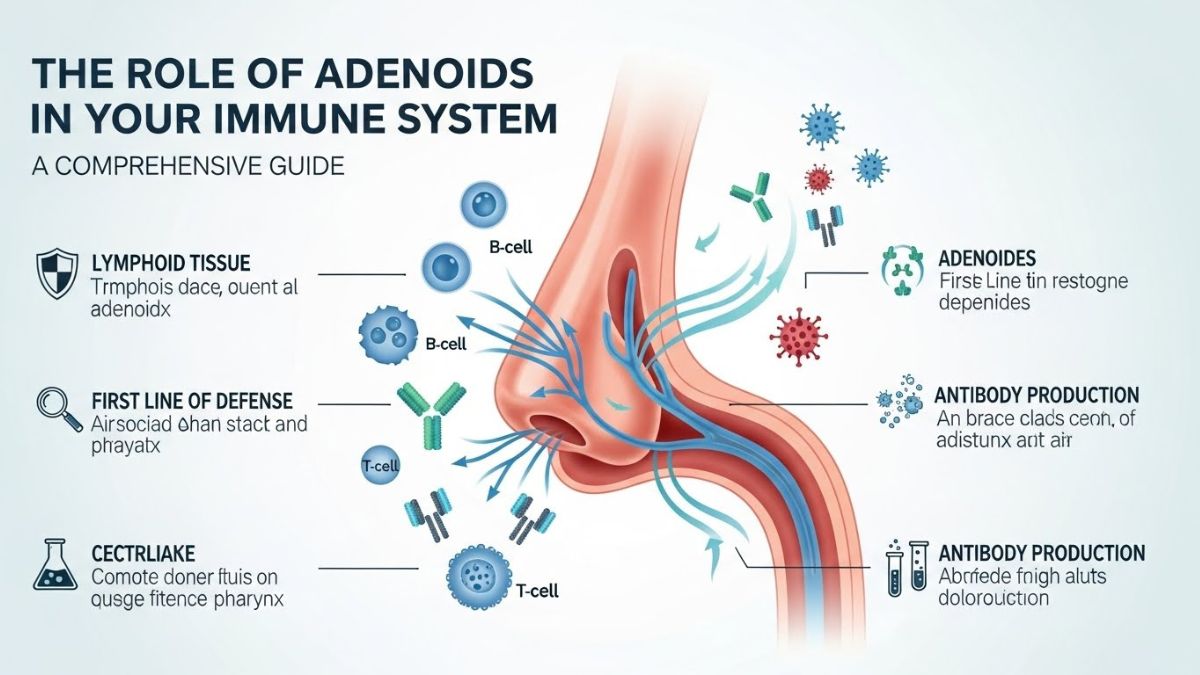
Imagine a small, often-overlooked part of your body playing a big role in defending you against germs. This tiny player is known as the adenoid. Nestled at the back of your nasal cavity, adenoidid are like vigilant sentinels, constantly on guard to protect your immune system.
While most people have heard of tonsils, many may not be aware of their counterpart—the adenoidid. These lymphoid tissues may seem insignificant when compared to other parts of our anatomy, yet they are crucial for maintaining our health and well-being.
In this comprehensive guide, we’ll explore what adenoidid are, their essential functions in the immune system, and how to keep them healthy. Whether you’re an adult curious about your own anatomy or a parent looking out for your child’s well-being, understanding these little glands can lead to better health choices all around. Let’s dive into the fascinating world of adenoids!
What are adenoidid and Where are They Located?
Adenoidid are small masses of lymphatic tissue found in the back of the nasal cavity, just above the roof of the mouth. They are part of your body’s immune system and help protect against infections.
Located near where your nose meets your throat, Adenoidid play a crucial role during childhood. As children grow, these tissues often shrink and may even disappear by adolescence.
You might not think about them much until they cause problems. Their position makes them susceptible to swelling from allergies or infections, which can lead to breathing difficulties or recurrent ear infections.
Understanding their location helps highlight their importance in overall health. While many people are familiar with tonsils, Adenoidid remain lesser-known but equally significant players in our immune defense system.
Functions of Adenoidid in the Immune System
Adenoidid play a crucial role in the immune system, acting as a frontline defense against pathogens. Located at the back of the nasal cavity, these small masses of lymphoid tissue help trap harmful bacteria and viruses.
When you breathe or swallow, adenoids filter out potential invaders. They produce antibodies that assist in recognizing these threats. This function is essential during childhood when our immune systems are still developing.
Moreover, Adenoidid contribute to creating a robust memory for previously encountered germs. This means your body can respond more effectively should it encounter those pathogens again.
By monitoring airborne irritants and allergens, Adenoidid also help maintain respiratory health. Their ability to react quickly helps limit infections and supports overall wellness during formative years.
Common Issues with Adenoidid
Adenoidid can sometimes become problematic, leading to various health issues. One common issue is adenoid hypertrophy, where the adenoids enlarge beyond their normal size. This often occurs in children and can cause nasal obstruction.
Enlarged Adenoidid may lead to breathing difficulties, especially during sleep. This condition often results in snoring or even obstructive sleep apnea.
Recurrent infections are another concern associated with the Adenoidid. They trap bacteria and viruses, increasing the likelihood of ear infections, sinusitis, and throat infections.
Allergic reactions can also affect adenoid function. Allergies may cause inflammation that further complicates a child’s respiratory health.
It’s important to monitor symptoms related to these glands for early detection of any worrying signs that could impact overall well-being.
How to Keep Your Adenoidid Healthy
Maintaining healthy Adenoidid is essential for robust immune function. Start by encouraging a balanced diet rich in vitamins and minerals. Fresh fruits, vegetables, and whole grains can strengthen your body’s defenses.
Stay hydrated to ensure optimal mucous membrane function. Water helps thin mucus, making it easier for the body to expel pathogens.
Promoting good hygiene also plays a crucial role. Regular handwashing reduces the risk of infections that could impact adenoid health.
Avoid exposure to secondhand smoke or pollutants whenever possible. These irritants can aggravate the respiratory system and compromise immune responses.
Keep an eye on allergies; they can lead to inflammation in Adenoidid over time. Managing allergy triggers effectively will help maintain their health and functionality without interference.
Surgical Options for Adenoid Removal
When adenoid issues become severe, surgical removal may be recommended. This procedure is known as adenoidectomy. It is generally a straightforward process.
Adenoidectomies are often performed on children but can also be suitable for adults facing significant problems. The surgery typically takes place under general anesthesia, ensuring the patient remains comfortable throughout.
Surgeons access the Adenoidid through the mouth, minimizing external scars. Recovery times vary; however, most individuals feel better within a week or so.
Post-operative care is crucial to prevent infections and manage pain. Doctors usually prescribe medications to help with recovery and monitor progress closely during follow-up visits.
While any surgery carries risks, complications from an adenoidectomy are rare. Many patients experience improved breathing and reduced occurrences of ear infections after the procedure.
Conclusion:
Adenoidid play a crucial role in your immune system. They act as the first line of defense against pathogens that enter through the nose and mouth. Understanding their location and function helps appreciate their importance.
Many people may experience common issues related to Adenoidid, such as frequent infections or breathing difficulties. Keeping these glands healthy is vital, and there are simple steps you can take to support their function.
If problems persist, surgical options like adenoidectomy may be necessary. Consulting with a healthcare professional will ensure you make informed decisions regarding treatment.