
 By admin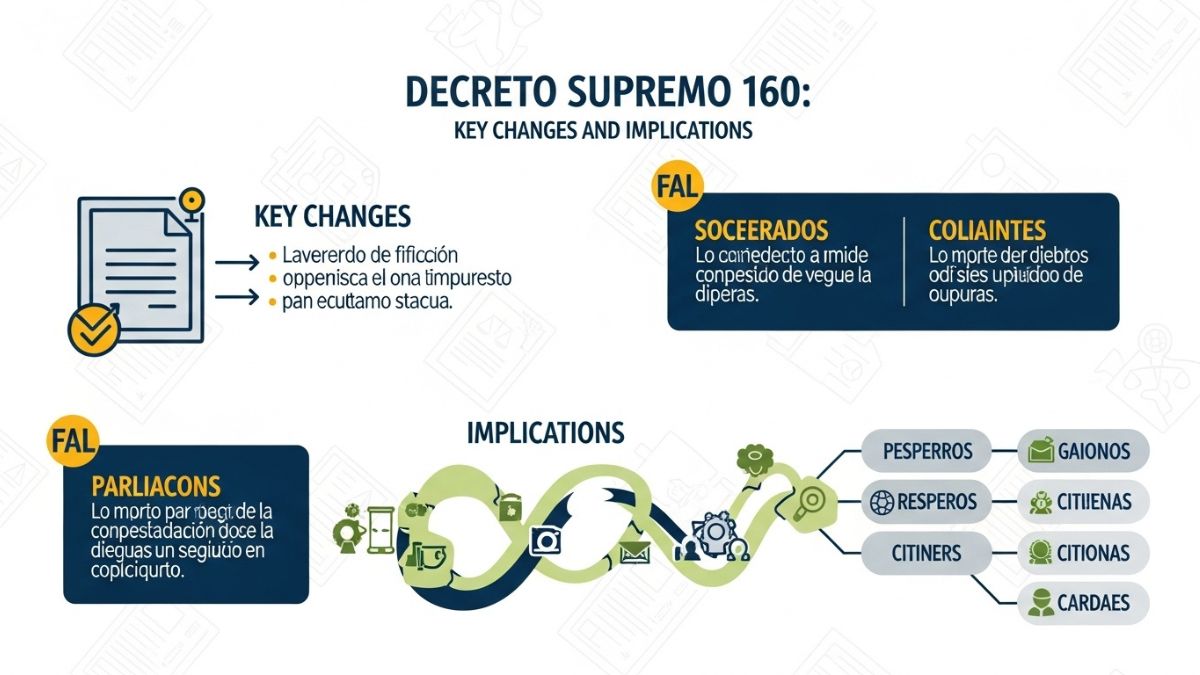
Decreto Supremo 160 has recently made waves across various sectors, leaving many wondering about its implications and how it will reshape the landscape in which they operate. As a piece of legislation that addresses critical issues, understanding its nuances is essential for anyone affected by it. Whether you’re a business owner, an employee, or simply someone interested in the regulatory environment, this decree presents both challenges and opportunities. Let’s dive into what Decreto Supremo 160 entails and what it means for you moving forward.
What is Decreto Supremo 160?
Decreto Supremo 160 is a legislative measure introduced in response to evolving economic and social needs. It aims to address gaps within existing laws and create a more efficient framework for various sectors.
This decree outlines specific regulations that impact industry standards, environmental considerations, and labor practices. By establishing new guidelines, it seeks to promote sustainability while ensuring fair treatment of workers.
The scope of Decreto Supremo 160 extends across multiple domains, impacting both public entities and private businesses alike. Stakeholders are encouraged to familiarize themselves with its provisions as it lays the groundwork for future compliance requirements.
Understanding this decree is vital for anyone involved in affected industries. Its implementation marks a significant shift toward improved governance in the targeted areas, fostering an environment of accountability and progress.
Key Changes in Decreto Supremo 160
Decreto Supremo 160 introduces several pivotal changes that impact various sectors. One major alteration is the revision of regulatory frameworks, which aims to streamline processes for businesses and consumers alike.
Additionally, compliance requirements have been adjusted. This move seeks not only to enhance transparency but also to promote fair competition across industries.
Another significant change pertains to environmental guidelines. Companies are now encouraged—if not required—to adopt more sustainable practices in their operations.
Moreover, the decree places a strong emphasis on digital transformation. Businesses must now embrace technology-driven solutions to meet new operational standards effectively.
These key shifts create both opportunities and challenges as organizations navigate the evolving landscape shaped by Decreto Supremo 160.
Implications of Decreto Supremo 160
Decreto Supremo 160 has far-reaching implications for various sectors. By introducing new regulations, it reshapes the operational landscape in both public and private enterprises.
One key impact is increased compliance requirements. Organizations will need to adapt their internal processes to meet these standards. This shift can lead to additional costs and resource allocation.
Moreover, the decree emphasizes transparency and accountability. Businesses might face stricter scrutiny regarding their operations, pushing them toward more ethical practices.
Additionally, there could be a ripple effect on employment laws. Changes may influence worker rights, benefits, and workplace safety protocols.
Organizations that proactively embrace these shifts can find opportunities for growth amid challenges. Those who resist adaptation might struggle with penalties or reputational damage as enforcement becomes more rigorous over time.
How Does Decreto Supremo 160 Affect Businesses?
Decreto Supremo 160 introduces several critical changes that directly impact businesses. Companies must adapt to new regulations affecting operational processes, compliance requirements, and reporting standards.
One significant aspect is the requirement for enhanced transparency in financial dealings. Businesses will need to invest in systems that ensure accurate record-keeping and timely disclosures. This may increase operational costs initially but can lead to greater trust among stakeholders over time.
Moreover, small enterprises might feel the pressure more acutely due to limited resources. They may require additional training on the decree’s stipulations or seek external consultancy services.
There are also implications for workforce management as employee rights and protections are reinforced under this decree. Organizations should prepare for adjustments in labor policies which could affect hiring practices and team dynamics.
Navigating these changes effectively can position businesses favorably within their markets while avoiding potential penalties associated with non-compliance.
Challenges and Concerns with Decreto Supremo 160
Decreto Supremo 160 introduces several challenges that stakeholders must navigate. One of the primary concerns is compliance with new regulations. Many businesses lack familiarity with the specific requirements, leading to uncertainty.
Another issue arises from the potential for increased operational costs. Companies may need to invest in training or resources to align their practices with the decree’s stipulations. This financial burden can strain smaller enterprises more than larger ones.
Additionally, there are worries about enforcement and monitoring mechanisms. Without clear guidelines on how compliance will be evaluated, organizations might find themselves vulnerable to penalties.
Change often breeds resistance among employees and management alike. Adapting established processes requires time and effort, creating friction within teams as they adjust to new expectations.
Tips for Compliance and Adapting to the Changes
Staying compliant with Decreto Supremo 160 requires strategic adjustments. First, assess your current operations. Identify areas where changes are necessary to align with the new regulations.
Next, invest time in training your staff. Ensure they understand their roles under the updated framework. Knowledgeable employees can significantly enhance compliance efforts.
Consider integrating technology solutions that streamline processes and improve transparency. Digital tools can help you track compliance effectively and mitigate risks.
Open communication channels within your organization are crucial. Encourage feedback from team members who interact directly with regulatory requirements, as they often have valuable insights.
Regularly review and update internal policies to reflect any evolving interpretations of Decreto Supremo 160. Staying proactive will keep you ahead of potential issues while fostering a culture of continuous improvement within your business environment.
Conclusion
Understanding Decreto Supremo 160 is crucial for anyone affected by its provisions. This legislation introduces significant changes that can reshape various sectors. Businesses must stay informed and adapt to avoid non-compliance.
By focusing on the key changes and understanding their implications, companies can navigate these shifts effectively. While challenges may arise, being proactive in compliance strategies will position businesses for success under the new framework.
As Decreto Supremo 160 continues to unfold, staying updated with ongoing developments will be essential for all stakeholders involved. Embracing this change rather than resisting it could lead to opportunities that benefit both businesses and their communities.