
 By admin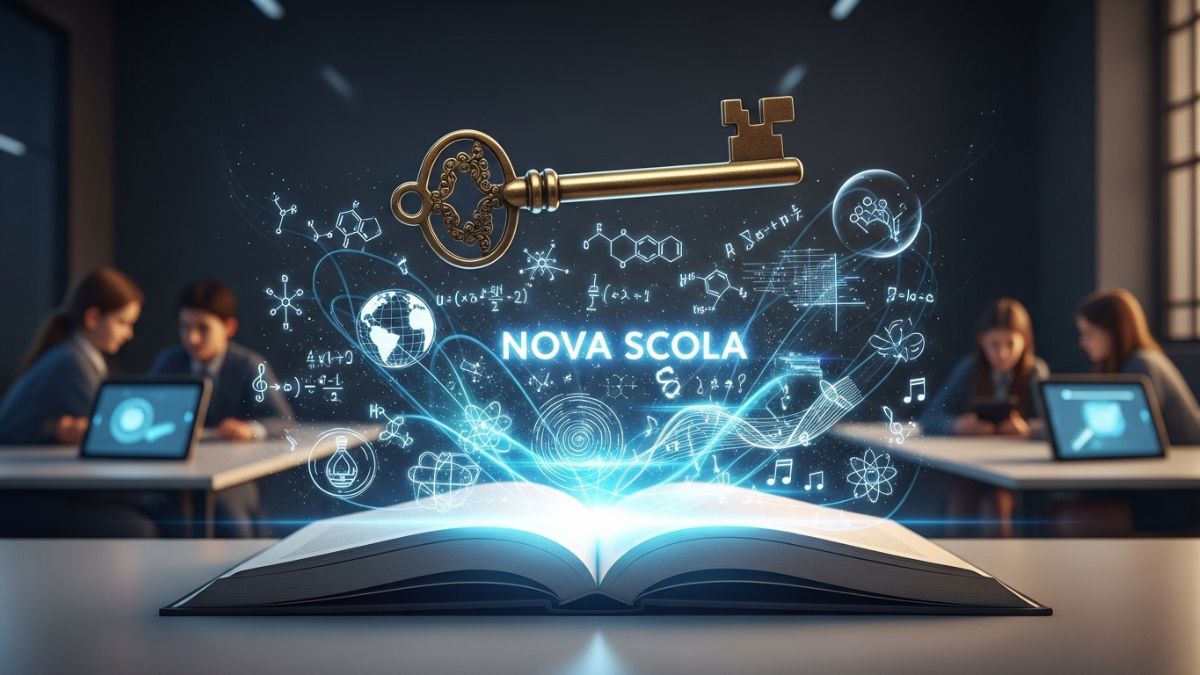
Education is evolving. Traditional systems are facing challenges and demands for change. Students today need more than just rote memorization; they require critical thinking, creativity, and adaptability to thrive in an ever-changing world. Enter nova scola a revolutionary approach designed to transform the way we think about learning.
Nova scola is not just a buzzword but a philosophy that emphasizes personalized education tailored to each student’s needs. It seeks to prepare learners for the future by fostering skills that go beyond textbooks and classrooms. As we dive deeper into this innovative model, we’ll uncover how it enhances student engagement, promotes collaboration, and equips young minds with essential tools for lifelong success.
Join us as we explore what makes nova scola a beacon of hope in modern education—and why its principles might just be the key to unlocking our children’s potential in today’s fast-paced society.
The current state of education systems
Education systems around the world are grappling with significant challenges. Many institutions still rely on outdated methods that prioritize standardized testing over critical thinking and creativity. This one-size-fits-all approach often leaves diverse learners behind.
In classrooms, engagement levels fluctuate as students struggle to connect with traditional teaching styles. Teachers feel pressure to meet curriculum demands rather than fostering a love for learning.
Moreover, educational disparities persist globally. Access to quality education varies greatly based on geography, socioeconomic status, and resources available in different communities.
Technology has begun to play a role in bridging some of these gaps but often lacks integration into mainstream curricula. As digital tools evolve, so does the necessity for educators to adapt their strategies accordingly.
The call for innovative solutions is louder than ever as parents and educators seek more effective ways to prepare students for an unpredictable future.
Introduction to nova scola and its principles
Nova scola represents a revolutionary shift in education. It embraces the idea that learning is not just about memorizing facts but nurturing curiosity and critical thinking.
At its core, nova scola emphasizes personalized learning. Each student’s unique abilities and interests are recognized as essential components of their educational journey.
Collaboration is another fundamental principle. Group projects and peer interactions foster teamwork skills vital for future success.
Moreover, nova scola prioritizes real-world applications of knowledge. Students engage with practical problems, allowing them to see the relevance of their studies beyond classroom walls.
Technology plays an integral role in this approach. Digital tools enhance engagement while facilitating innovative teaching methods adaptable to individual needs.
Benefits of the nova scola approach
The nova scola approach revolutionizes traditional education by prioritizing student engagement and personalized learning. It shifts the focus from rote memorization to critical thinking and creativity.
Students immerse themselves in hands-on experiences that foster a deeper understanding of concepts. This method encourages collaboration, allowing learners to work together on projects that mirror real-world challenges.
Flexibility is another key benefit. Educators can tailor lessons to meet diverse needs, ensuring every student thrives at their own pace. This adaptability cultivates independence and self-motivation among students.
Moreover, nova scola emphasizes emotional intelligence alongside academic achievement. By integrating social skills into the curriculum, students develop stronger interpersonal relationships essential for success in life beyond school walls.
This holistic educational model nurtures well-rounded individuals prepared for future careers while instilling a lifelong love for learning.
How nova scola prepares students for the future
Nova scola prepares students for the future by emphasizing critical thinking and creativity. Instead of rote memorization, it encourages learners to ask questions and explore solutions. This approach nurtures an inquisitive mindset.
Students engage in collaborative projects that mirror real-world challenges. They learn how to work together, communicate effectively, and leverage diverse perspectives. These skills are essential in today’s interconnected world.
Moreover, nova scola fosters adaptability through personalized learning experiences. Every student moves at their own pace, ensuring they master concepts before progressing. This flexibility builds resilience—a key trait for navigating future uncertainties.
The curriculum also integrates technology seamlessly into daily lessons. Students become proficient with tools they’ll encounter in higher education and professional settings.
By focusing on holistic development—intellectual, emotional, and social—nova scola cultivates well-rounded individuals ready to thrive in a rapidly changing landscape.
Success stories from schools implementing nova scola
Schools adopting the nova scola approach have seen remarkable transformations. For instance, a middle school in California revamped its curriculum to focus on collaborative projects. Students flourished in teamwork, enhancing their communication skills while tackling real-world challenges.
A high school in New York shifted away from traditional lectures. Instead, they embraced inquiry-based learning through nova scola principles. Students became active participants in their education, igniting passion for subjects previously deemed dull.
An international school implemented personalized learning paths using the nova scola framework. Each student could progress at their own pace, fostering a sense of ownership over their education and boosting overall engagement.
These inspiring examples illustrate how diverse educational settings can thrive by integrating innovative practices that resonate with students’ needs and interests. The impact is palpable—higher retention rates and improved academic performance are just the beginning of this journey toward progressive education reform.
Challenges and criticisms of the nova scola model
While the nova scola model offers a fresh approach to education, it isn’t without its challenges. Critics often point to the lack of standardized assessments as a potential drawback. Without traditional testing methods, some worry about measuring student progress effectively.
Additionally, transitioning from conventional teaching methods can be difficult for educators accustomed to traditional curricula. Resistance from staff and parents may also arise due to fear of change or skepticism about new strategies.
Resource allocation poses another challenge. Implementing nova scola requires investment in training and materials that some schools may not afford.
Furthermore, adapting this flexible framework across diverse educational settings can lead to inconsistencies in implementation. Each school’s unique environment influences how well they adopt these principles, creating varied experiences for students.
These factors ignite ongoing discussions within educational circles regarding the viability of the nova scola approach in different contexts.
Implementing nova scola in traditional schools
Integrating nova scola into traditional schools requires a shift in mindset and methodology. Teachers need training to embrace this innovative approach. Professional development workshops can foster understanding of its principles.
Curriculum adaptation is also essential. Schools must realign their teaching goals to focus on student-centered learning rather than rote memorization. This means incorporating project-based activities that stimulate critical thinking.
Creating an inclusive environment is vital too. Parents, educators, and students should collaborate during the transition process. Open communication helps everyone understand the changes taking place.
Technology plays a significant role as well. Utilizing digital tools enhances interactive learning experiences that align with nova scola principles. This integration allows for personalized education tailored to individual student needs.
Patience is necessary during this transformation period, as challenges will arise along the way. Continuous assessment and feedback loops can help address concerns while maintaining momentum toward innovative educational practices.
The role of technology in nova scola education
Technology plays a pivotal role in the nova scola approach. It enhances learning experiences and creates a more engaging environment for students. With interactive tools, learners can explore concepts at their own pace.
Digital platforms enable personalized education tailored to individual needs. Students access resources that cater specifically to their strengths and weaknesses. This customization fosters a deeper understanding of subjects.
Moreover, technology encourages collaboration among peers. Online forums and group projects promote teamwork while breaking geographical barriers. Students from different backgrounds can connect and share ideas seamlessly.
Data analytics is another game-changer in nova scola education. Educators use insights from student performance to refine teaching methods, ensuring that every child receives the support they need.
Incorporating technology into classrooms also prepares students for an increasingly digital world. They gain essential skills like critical thinking, adaptability, and digital literacy—key attributes for future success in any field.
Conclusion:
The education landscape is rapidly evolving. As traditional systems face challenges, nova scola emerges as a beacon of innovation. Its principles advocate for personalized learning and holistic development.
This approach not only enhances academic performance but also nurtures critical life skills. Students become adaptable, creative thinkers ready to navigate the complexities of tomorrow’s world.
Success stories from schools adopting nova scola highlight its transformative impact. Educators report increased engagement and improved outcomes across diverse student populations. These narratives serve as powerful testimonials to the model’s effectiveness.
Yet, it’s essential to acknowledge the criticisms surrounding this educational approach. Some argue it may lack structure or overlook standardized testing requirements. Others worry about scalability in larger institutions.