
 By admin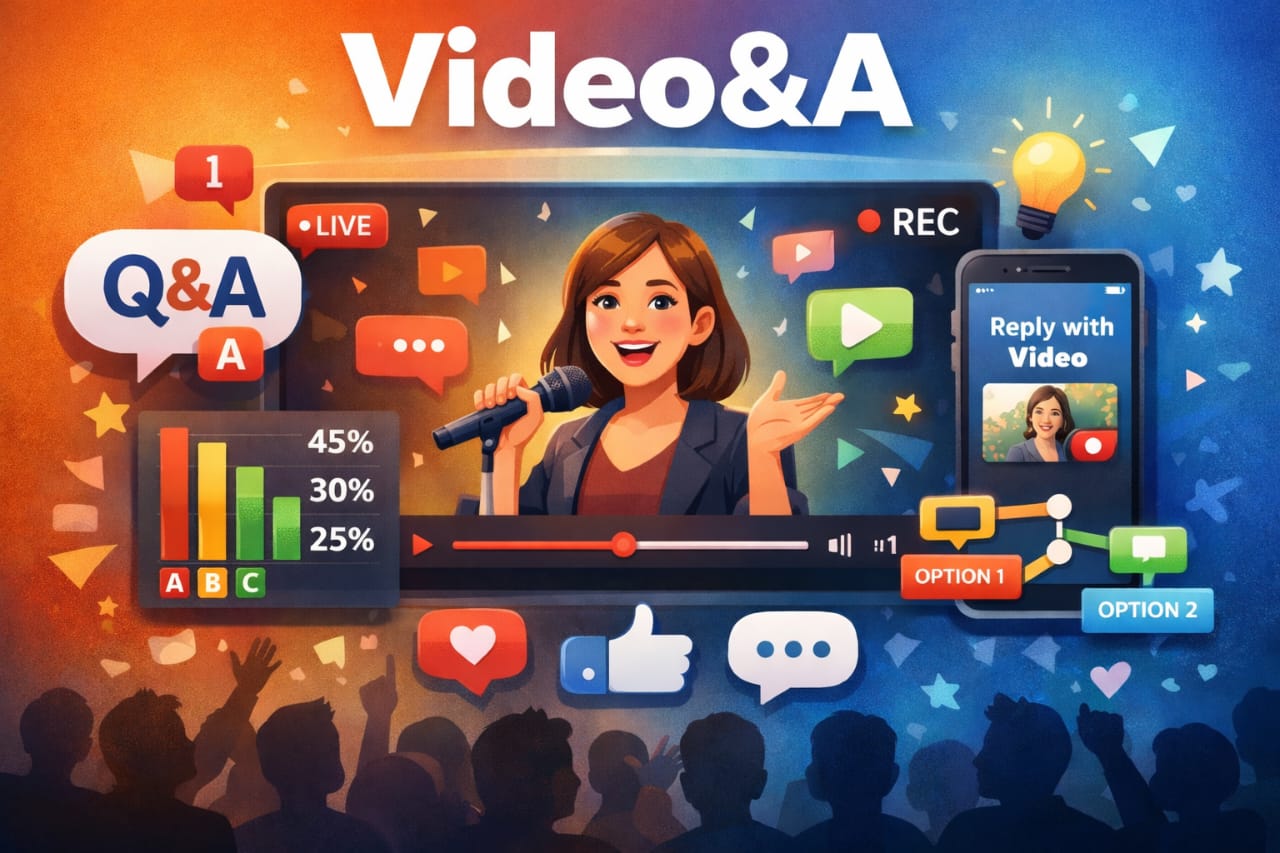
Video is one of the most popular ways to share information online. People watch videos for learning, entertainment, and communication. Most videos follow a one-way communication model, where a creator makes a video and viewers only watch it,today, people want more interaction and participation. Because of this, a new video format called Video&A is becoming popular,Video&A combines video content with questions and answers from the audience. Instead of only watching, viewers can ask questions and receive answers through video Wepbound
This article explains what Video&A is, how it works, its types, benefits, and how to create effective Video&A content.
What is Video&A?
Video&A means Video and Answers. It is a format where video content is used to answer questions from viewers.
In this format, viewers can interact with the creator. They can ask questions, share opinions, and receive video responses.
Unlike traditional videos, Video&A focuses on two-way communication between the creator and the audience.
Key Characteristics of Video&A
-
Audience can ask questions
-
Creators answer using video
-
Interactive communication
-
Better audience engagement
-
Stronger community connection
For example, a YouTuber may collect questions from viewers and answer them in a video. A teacher may also use Video&A to answer student questions.
How Video&A Works
Video&A works through a simple process that connects creators with their audience.
Step-by-Step Process
-
Creator publishes a video or livestream
-
Audience asks questions
-
Creator selects important questions
-
Creator answers through video
-
Audience continues to engage
Video&A Workflow Table
| Step | Action | Result |
|---|---|---|
| 1 | Creator uploads video | Topic is introduced |
| 2 | Audience asks questions | Interaction begins |
| 3 | Creator reviews questions | Important topics selected |
| 4 | Creator answers questions | Information shared |
| 5 | Audience responds | Community grows |
This process helps creators understand their audience and build stronger relationships.
Key Features of Video&A
Video&A has several important features that make it different from normal videos.
Main Features
-
Real-time interaction with viewers
-
Audience participation
-
Personalized answers
-
Community building
-
High engagement
These features make Video&A very useful for creators, businesses, and educators.
Types of Video&A
Video&A can appear in different formats depending on how questions and answers are shared.
1. Live Video&A
Live Video&A happens during a livestream where viewers ask questions in real time.
Examples
-
YouTube Live
-
Instagram Live
-
Facebook Live
-
Webinars
Advantages
-
Instant answers
-
Strong audience engagement
-
Real-time conversation
2. Pre-Recorded Video&A
In this format, questions are collected before recording the video.
Creators then make a video answering those questions.
Common Uses
-
FAQ videos
-
Expert interviews
-
Educational lessons
3. Interactive Video&A
Interactive videos allow viewers to interact directly with the video.
Viewers can click on questions and jump to the answers inside the video.
Features
-
Clickable questions
-
Interactive buttons
-
Branching video paths
4. AI-Powered Video&A
New technologies are making Video&A even smarter.
Artificial intelligence can help answer questions automatically.
Examples
-
AI video assistants
-
Smart video search
-
Automated video responses
Benefits of Video&A
Video&A provides many benefits for creators, businesses, and educators.
Benefits for Creators
Video&A helps creators connect with their audience.
Advantages
-
Higher viewer engagement
-
Stronger audience loyalty
-
More content ideas
-
Better communication with viewers
Benefits for Businesses
Businesses use Video&A to communicate with customers and build trust.
Marketing Benefits
-
Better customer interaction
-
Stronger brand trust
-
Product demonstrations
-
Customer support through video
Benefits for Education
it improves learning by allowing students to ask questions.
Learning Benefits
-
Interactive learning
-
Better understanding of topics
-
Higher knowledge retention
-
More student participation
Platforms That Support Video&A
Many online platforms support its features.
Popular Platforms
-
YouTube
-
Instagram
-
TikTok
-
Facebook
-
Webinar platforms
-
Online learning platforms
Platform Comparison
| Platform | Video&A Feature | Best For |
|---|---|---|
| YouTube | Live chat and Q&A videos | Creators |
| Live Q&A sessions | Influencers | |
| TikTok | Video replies to questions | Short videos |
| Live video interaction | Communities | |
| Webinar Tools | Structured Q&A sessions | Education |
How to Create Effective Video&A Content
Creating good content requires planning and understanding your audience.
Choose the Right Topic
Select topics that your audience cares about.
Topic Ideas
-
Frequently asked questions
-
Customer problems
-
Trending topics
-
Educational topics
Collect Audience Questions
Ask viewers to submit their questions.
Ways to Collect Questions
-
Comment sections
-
Social media polls
-
Email
-
Live chat
Organize Questions
Group similar questions together to make the video easy to understand.
Example categories:
-
Beginner questions
-
Advanced questions
-
Technical questions
Record the Video
Make sure your video has clear sound and good lighting.
Tips
-
Speak clearly
-
Keep answers simple
-
Use examples
Encourage Interaction
Ask viewers to submit more questions for the next video.
This keeps your audience engaged and active.
Best Practices for Video&A
Following good practices can improve your Video&A content.
Recommended Practices
-
Keep answers short and clear
-
Focus on common questions
-
Use timestamps
-
Encourage viewer participation
-
Be authentic and honest
These practices help build trust with your audience.
Common Challenges of Video&A
it also has some challenges that creators may face.
Common Challenges
-
Too many questions from viewers
-
Technical issues during live sessions
-
Managing inappropriate comments
-
Keeping audience attention
Challenge Solutions
| Challenge | Solution |
|---|---|
| Too many questions | Choose most important ones |
| Technical issues | Test equipment before going live |
| Bad comments | Use moderation tools |
| Audience boredom | Keep videos engaging |
Video&A vs Traditional Video Content
it is different from traditional videos.
| Feature | Video&A | Traditional Video |
|---|---|---|
| Interaction | High | Low |
| Audience Participation | Active | Passive |
| Engagement | Very High | Moderate |
| Personalization | Possible | Rare |
| Community Building | Strong | Limited |
it creates a more interactive and engaging experience for viewers.
The Future of Video&A
it will continue to grow as technology improves.
Future Trends
-
AI video assistants
-
Personalized video learning
-
Advanced audience analytics
-
Smart video search
-
Interactive video platforms
These innovations will make video communication more interactive and effective.
Frequently Asked Questions
What is Video&A?
it is a type of video content where creators answer questions from viewers using video. It allows audiences to ask questions and receive responses through recorded videos or live streams.
How does Video&A work?
it works through interaction between the creator and the audience. Viewers submit questions through comments, social media, or live chat, and the creator answers them in a video or livestream.
What is the difference between Video&A and traditional videos?
Traditional videos are one-way communication where viewers only watch. it is interactive because viewers can ask questions and receive answers directly from the creator.
Why is Video&A important?
it is important because it increases audience engagement. It allows creators to communicate directly with viewers, answer questions, and build stronger relationships with their audience.
Can businesses use Video&A for marketing?
Yes, businesses can use it for marketing. Companies often use video Q&A sessions to answer customer questions, explain products, and build trust with their audience.
Conclusion
Video&A is changing how people communicate through video. Instead of only watching videos, viewers can now ask questions and interact with creators,this format helps creators, businesses, and educators build stronger relationships with their audiences,as technology continues to develop, it will become an important part of digital communication, online learning, and video marketing.