
 By admin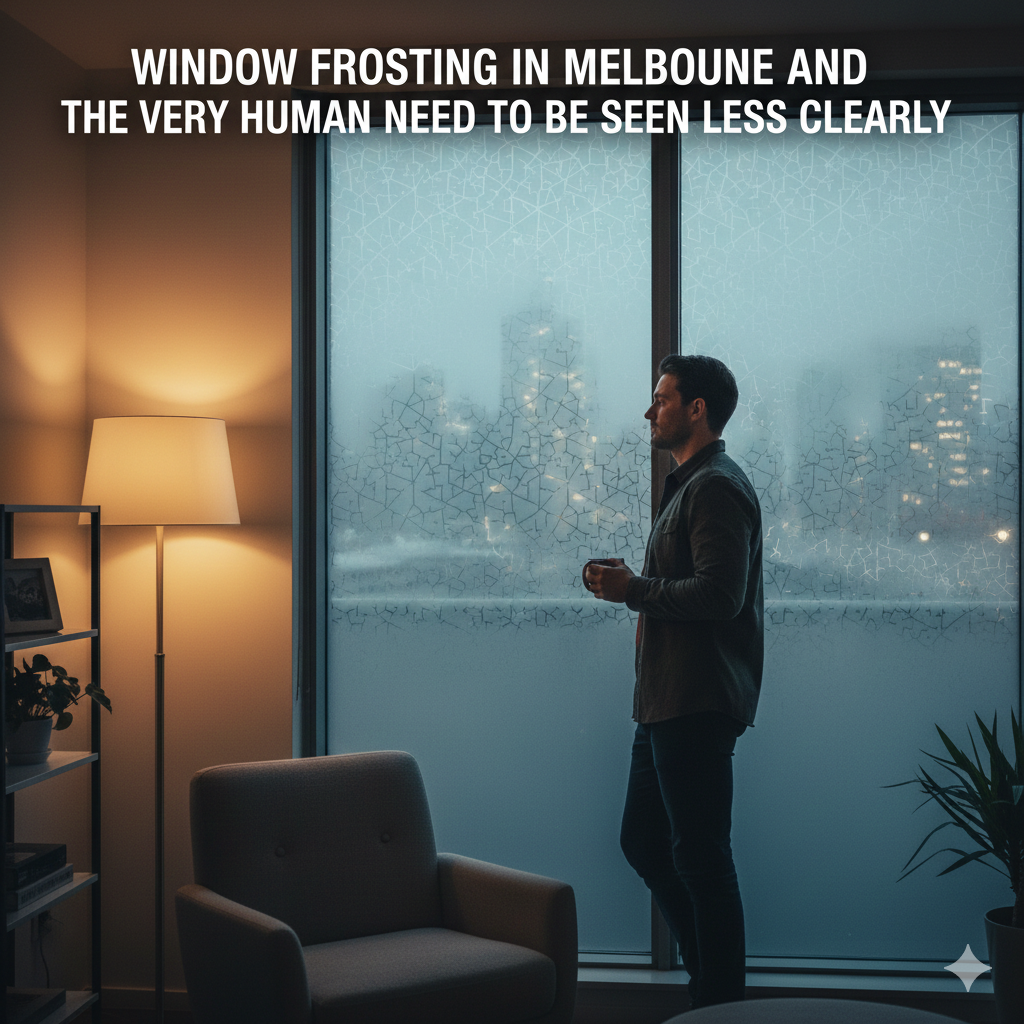
Most people don’t set out to frost their windows. It usually starts with a feeling rather than a plan. A meeting room that feels too exposed. A shopfront where people slow down because they can see straight in. A bathroom window that technically meets code but still feels… wrong. Somewhere in that mild, nagging discomfort, Window Frosting in Melbourne becomes an option worth considering.
Not exciting at first. Just practical. And then, strangely, it starts to feel like a design decision rather than a fix.
Melbourne Buildings Live Close To Each Other, Whether We Like It Or Not
There’s something about Melbourne streetscapes that makes privacy feel more negotiated than guaranteed. Offices sit close to footpaths. Apartments face other apartments. Homes that once felt tucked away now sit next to new developments.
This is where Window Frosting in Melbourne quietly earns its place. It doesn’t shut the world out. It just softens the edges. People outside become shapes, movement, and light. You still feel connected, but not inspected.
That balance matters more here than people realise. Complete privacy often feels heavy. No privacy feels stressful. Frosting lives somewhere in between, which is probably why it keeps getting chosen.
Frosted Windows Are Rarely About Style, At Least At The Start
If you ask most people why they’re considering Window Frosting in Melbourne, they won’t say design. They’ll say privacy, glare, compliance, or “we just need something there.” Style comes later, almost accidentally.
Once the frosting is installed, though, people notice how it changes the room. Light spreads more evenly. Reflections soften. Spaces feel calmer, less performative. It’s subtle, but noticeable enough that people comment on it.
That delayed appreciation is part of why frosting gets underestimated. It doesn’t shout. It settles.
Offices Discover Frosting Faster Than Homes Do
In commercial spaces, the decision to install Window Frosting in Melbourne is often straightforward. Meeting rooms. Reception areas. Street-facing offices. Privacy is functional, not personal.
What’s interesting is how quickly staff adapt. After the frosting goes up, no one really talks about it anymore. Meetings feel less awkward. Screens are easier to see. People stop adjusting blinds every half hour.
Homes approach frosting more cautiously. There’s concern about losing light, feeling boxed in, or making a space look cold. Sometimes those concerns are valid. Sometimes they come from old ideas of frosting that no longer apply.
The Light Question Comes Up Every Single Time
Almost every conversation about Window Frosting in Melbourne includes the same worry. Will it make the room dark?
Usually, the answer is no. Or at least, not in the way people expect. Frosting diffuses light rather than blocking it. Direct sunlight becomes softer. Harsh glare fades. Rooms often feel brighter because the light is more even.
That said, not all frosting is equal. Density matters. Pattern matters. Placement matters. Frosting a full pane behaves differently from frosting only the lower half. These details shape the experience more than the idea of frosting itself.
Compliance, Codes, And The Unglamorous Reasons Frosting Gets Installed
Some of the most common uses of Window Frosting in Melbourne aren’t driven by preference at all. They’re driven by regulations. Health spaces. Childcare centres. Bathrooms. Areas where visibility needs to be controlled for safety or dignity.
In these cases, frosting is a quiet solution that meets requirements without requiring a building redesign. It’s fast. It’s adaptable. It doesn’t usually trigger major approvals.
What people often forget is that compliance-driven installations still affect how spaces feel. A frosted clinic room can feel calmer. A frosted stairwell can feel safer. These side effects matter, even if they weren’t the original goal.
Frosting As A Long-Term Choice, Not A Temporary Patch
There’s a perception that window frosting is temporary. Something you do until you renovate or rebuild. In practice, many installations last far longer than planned.
Good quality Window Frosting in Melbourne holds up well. It doesn’t fade quickly. It doesn’t peel when installed properly. People stop seeing it as a stopgap and start treating it as part of the building.
This is where installation quality becomes important. Poorly applied frosting draws attention to itself. Edges lift. Bubbles form. Suddenly the film feels cheap. Well-installed frosting disappears into the architecture, which is exactly what most people want.
Living With Frosted Windows And Deciding How You Really Feel
After frosting goes up, there’s usually a short adjustment period. People notice the change constantly for a few days. Then less. Then not at all.
That moment when you forget it’s there is often the moment you realise it was a good decision. The space works better. You feel less watched. Light behaves more kindly.
Window Frosting in Melbourne from My Tint isn’t a dramatic upgrade. It doesn’t transform buildings in a headline way. It adjusts them. It fine-tunes how spaces interact with people and streets and neighbours.
And maybe that’s why it fits Melbourne so well. A city that values subtlety, practicality, and lived-in solutions over showy fixes tends to gravitate toward things that work quietly in the background.
If you’re expecting frosting to solve every problem, you’ll probably be disappointed. If you’re looking for a way to make a space feel more settled, more comfortable, and a little less exposed, it might do exactly what you need. Not perfectly. Just well enough that you stop thinking about it.